
How we planned, storyboarded and shot Cascade Effect’s Rogue Wave video, and why most of the work happened before anyone picked up a camera.
I’m Oscar Riveros, but most people call me Oz. I’m a musician too. I make my own music, and I love making music videos and working creatively with other San Diego bands. To me, a music video is an extra band member for the song. The song is already written, but when we make the video, the artist is part of the process with us. I feel like a lot of the magic of music videos has been lost, and I want to bring it back.
Cascade Effect is a metal band from San Diego, and I really admire them. They won the Wacken Metal Battle USA and went on to play Wacken Open Air in Germany. Their sound mixes deathcore and groove metal with big melodic hooks. They came to us with a new album, The Weight of Nothingness, and the same question every independent band runs into: how do you make a video that feels big without a big-label budget?
We ended up shooting two videos back to back in one weekend, in one warehouse. This post is about one of them, Rogue Wave, from the first sketch to the final cut.
Rogue Wave came out on October 13 through the band’s label, Eclipse Records. It’s the first of three videos from the album. Eclipse put out a press release with the launch, and you can read it and watch the video on the official Eclipse Records site. I’m quoting from it below where it fits.
This one is personal for me. I’m friends with Alec Peterson, one of the band’s guitarists, and we’ve been collaborating. With Dustin Keimig, the singer, my job was to take his lyrical vision and turn it into visuals.
Start With the Song
Every video starts the same way for me. I listen to the song until I know what it’s about, not just how it sounds.
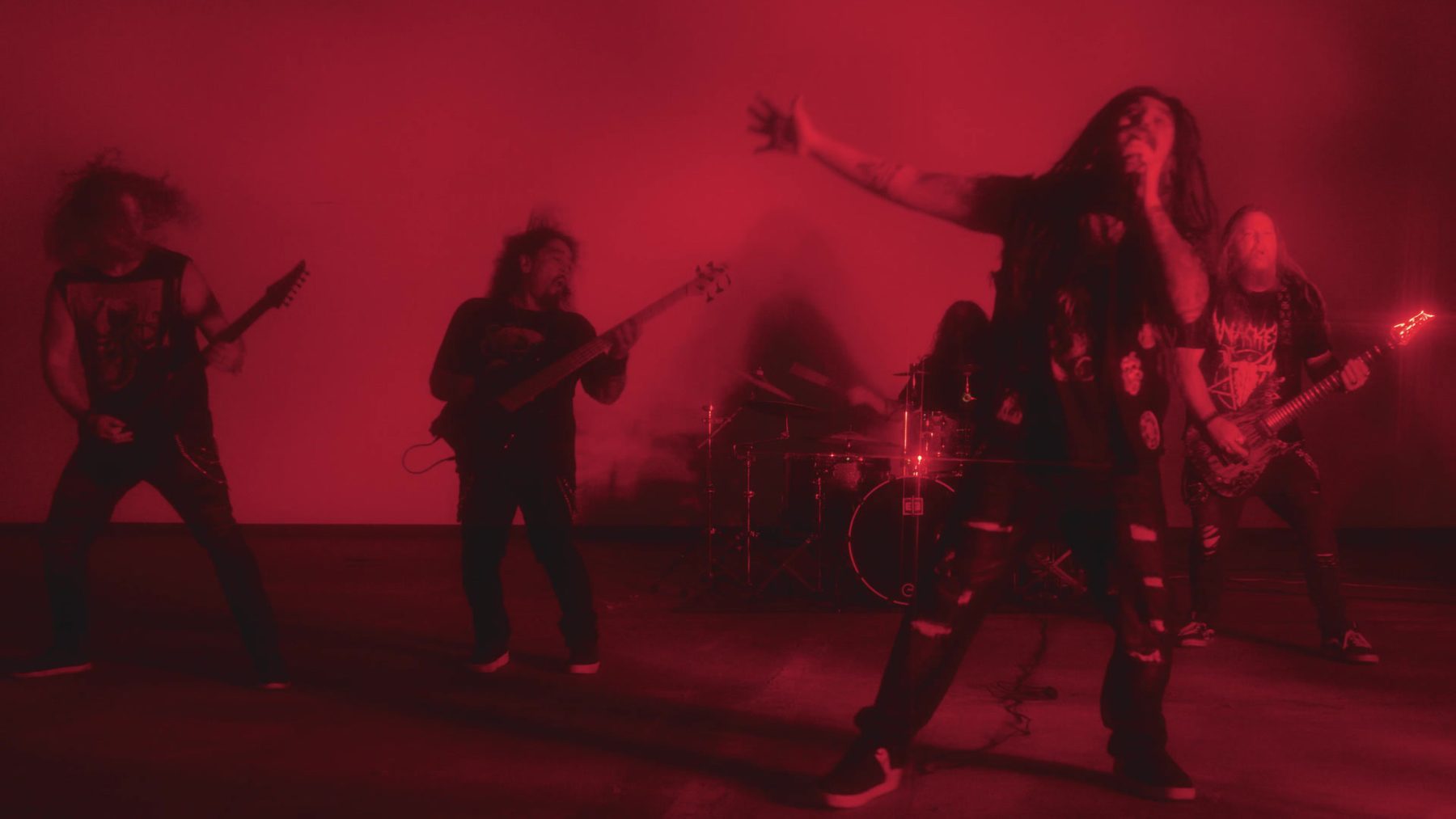
Rogue Wave is about knowing something huge is coming and using the time you have left to be honest about what matters. So the idea became a contrast: a cold wave growing behind the band, and warm memories of shows, road trips and friends flickering in and out around them.
Dustin Keimig, the band’s vocalist, put it this way in the release:
“We’re constantly connected to devices, information, algorithms, and opinions, yet somehow it feels like people are becoming more disconnected from each other… The real world is right in front of us, and I don’t want to let it pass by because I was too consumed by all the noise.”
So the wave means two things. It’s life hitting you when you don’t see it coming, and it’s the flood of screens, feeds and AI noise that pulls people apart. The memories are what’s worth protecting. Those clips are real footage from the band’s lives, with their friends and family.
My first treatment went somewhere else entirely: a man alone on a beach, recording a message for whoever found it. Then the band sent over their own visual references for the song. We merged the two, and the wave became the main character.
The Storyboard
Next I broke the song into beats, about 22 of them, from the intro riff to the final wall of water. Each beat got a rough timestamp, the lyric it lands on, and a note on what’s on screen. Then every beat got a picture. I drafted a bunch with pen and paper first, then moved to digital sketches in a black-and-white pencil style. I’ve loved drawing since I was a kid, but I’m not a sketch artist, so when the budget allows I hire a local artist. A storyboard isn’t there to be art. It’s there so the band, the crew and I are all looking at the same picture before shoot day. I also like showing the band a few different styles early, so the video feels like theirs and not something we forced on them. That’s how you avoid heading down the wrong road.
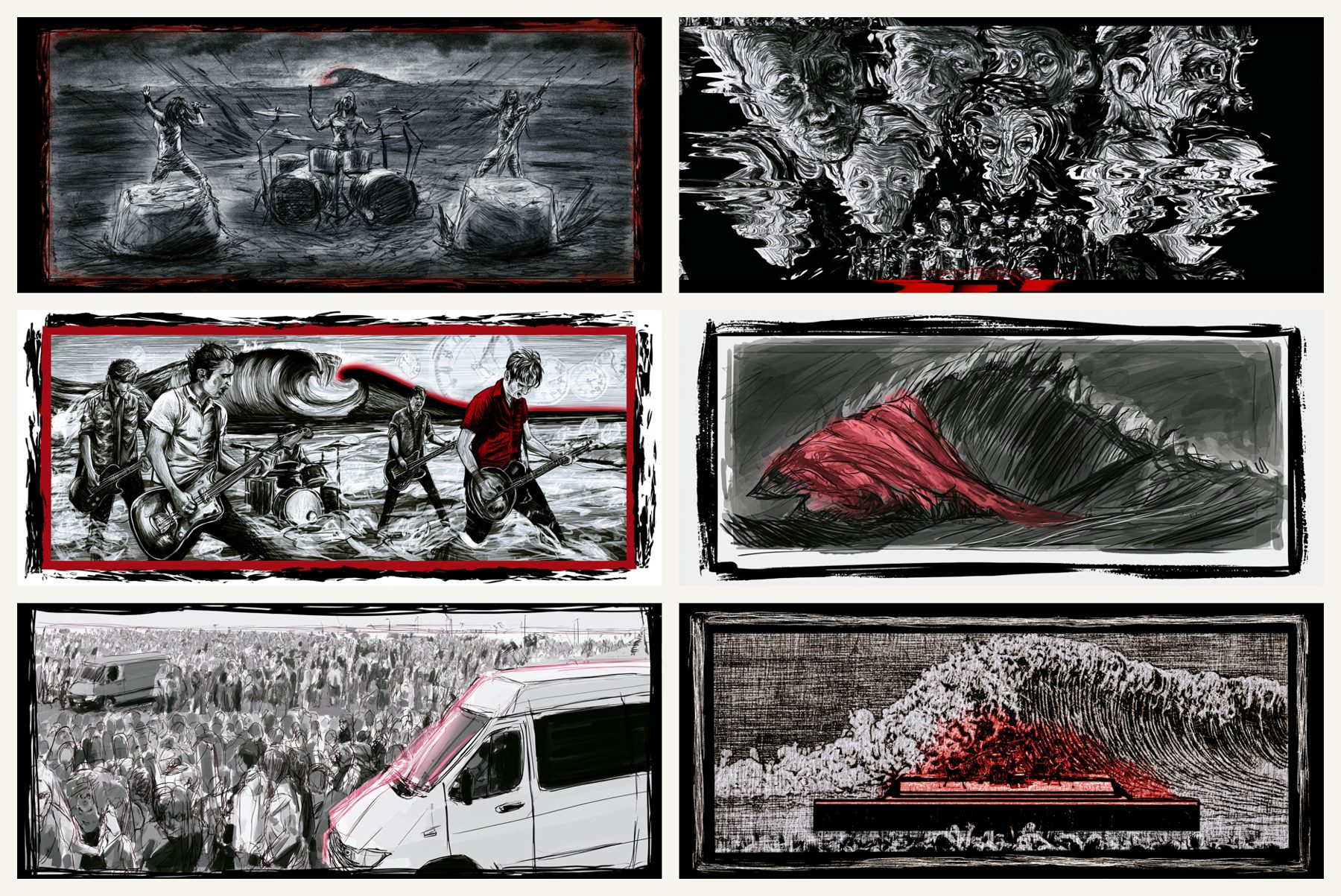
Then we cut the boards to the actual track as an animatic. Everyone could watch the video before it existed and catch problems while they were still free to fix.
Planning the Shoot
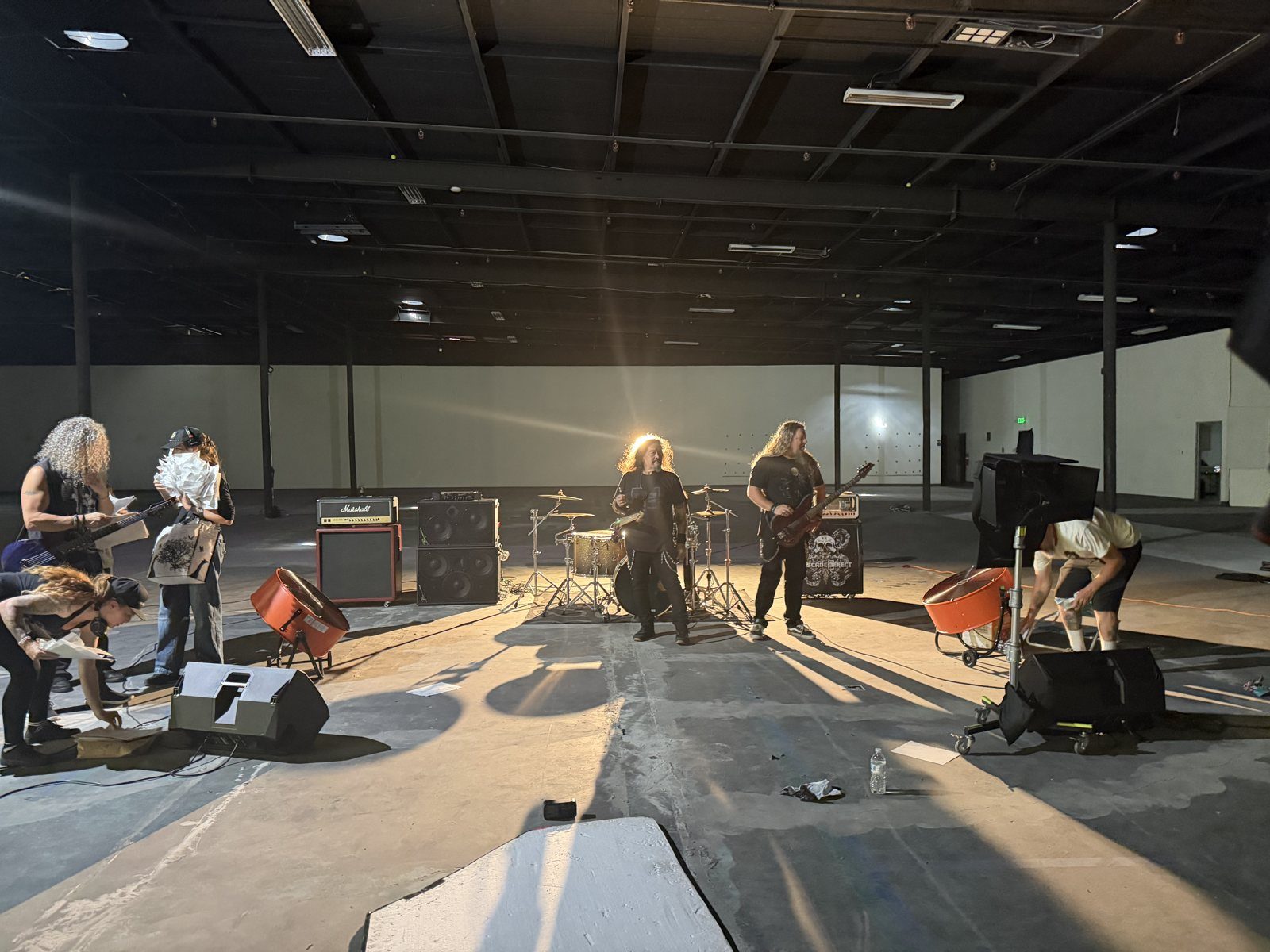
A music video budget doesn’t leave room for wasted hours on set, so the plan has to do the heavy lifting:
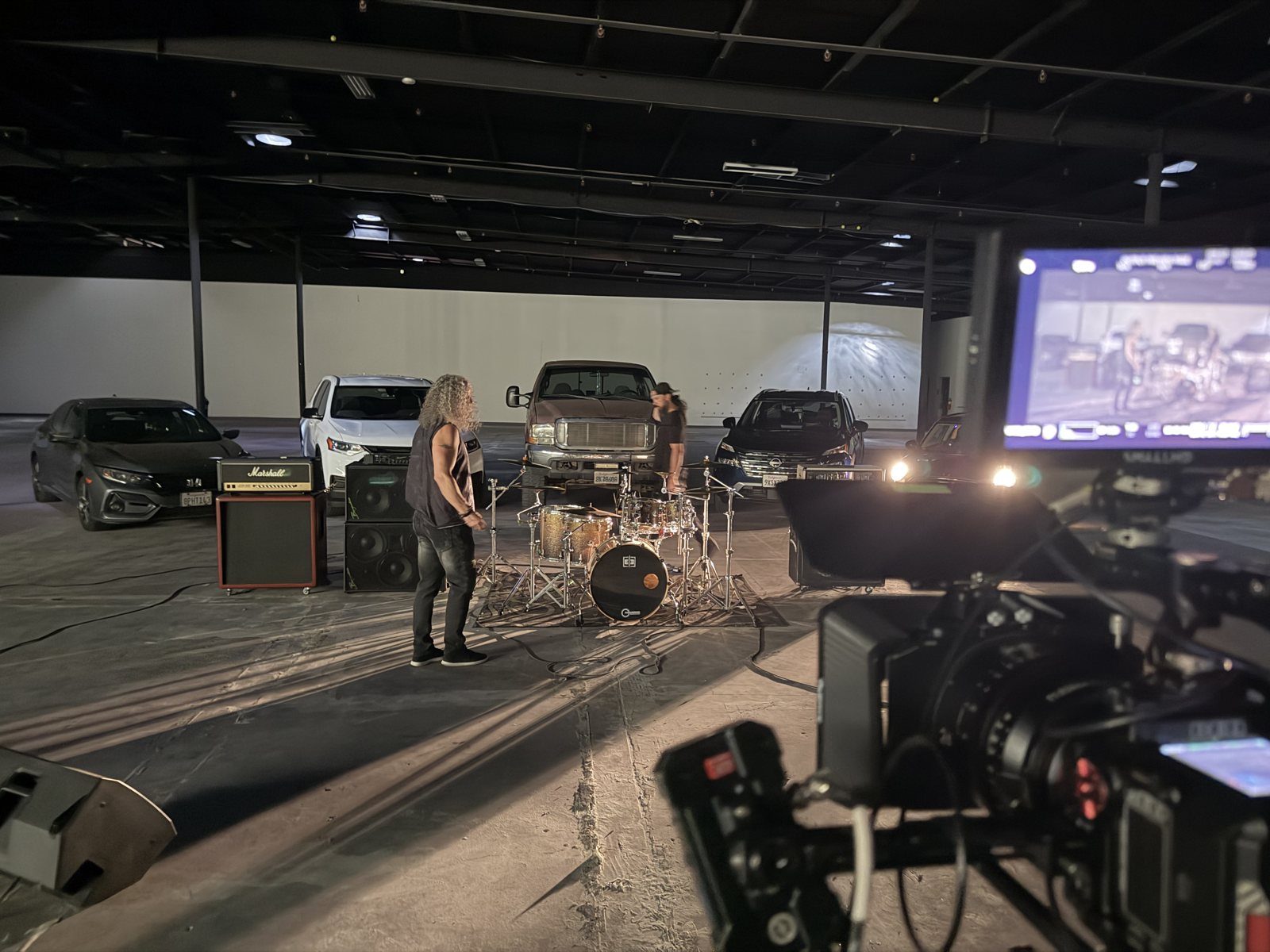
- One location for both videos: a large, empty warehouse, broken into zones.
- A shot list grouped by zone and by lighting setup, so we never lit the same space twice.
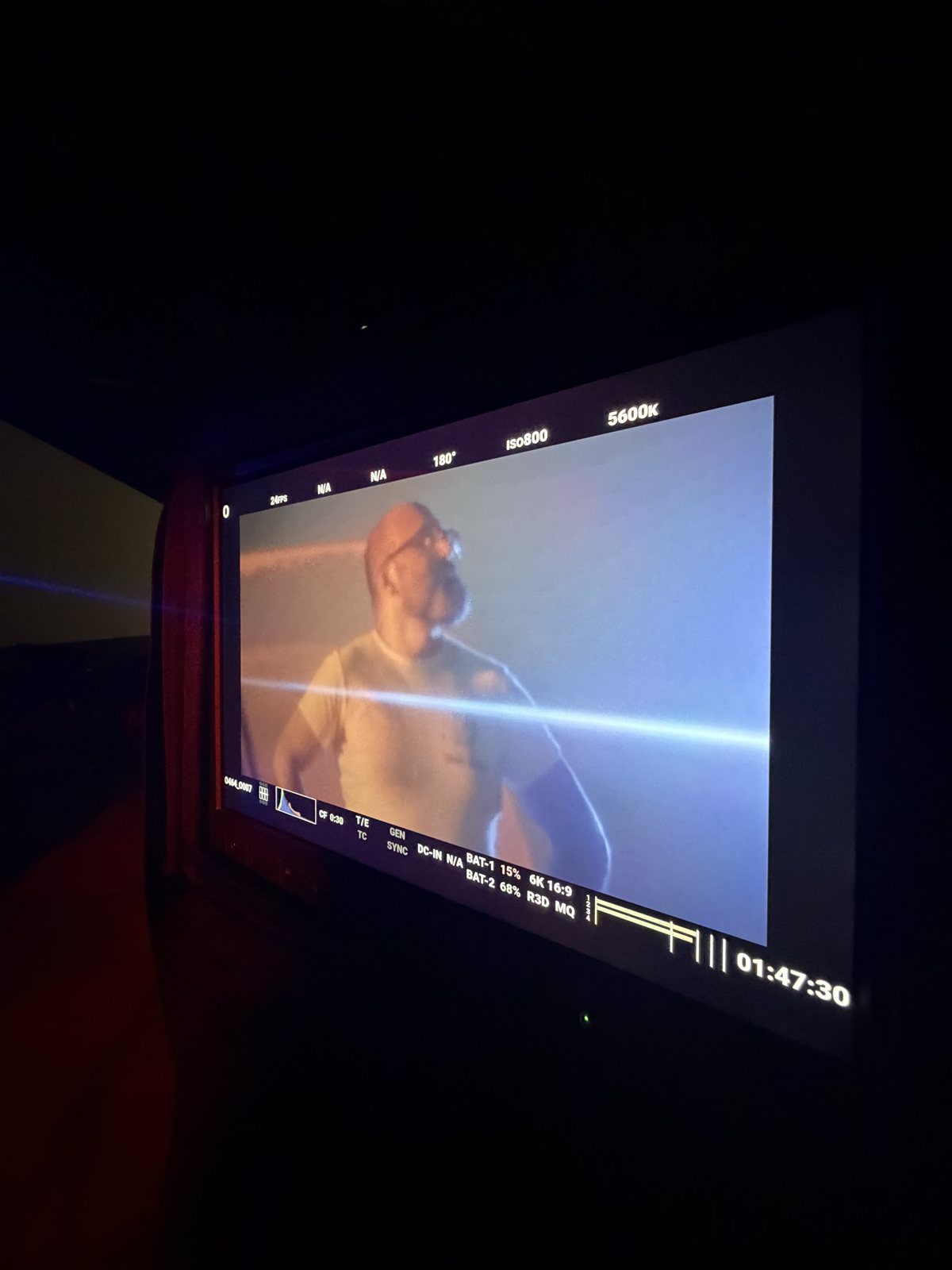
- The RED as the wide master on every setup.
- Two Sony cameras for everything else: a 24–70 for mediums and an 85 for close-ups.
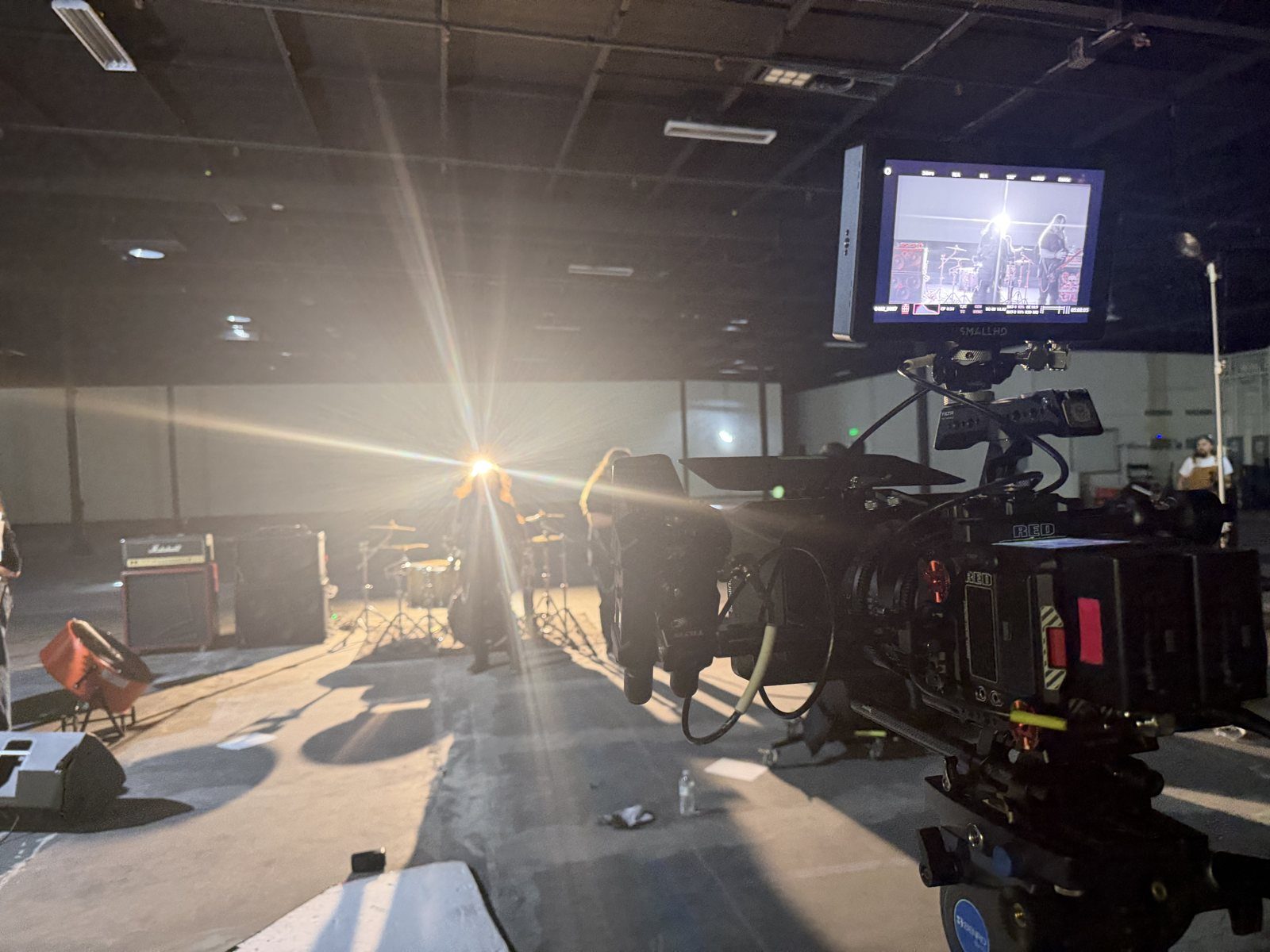
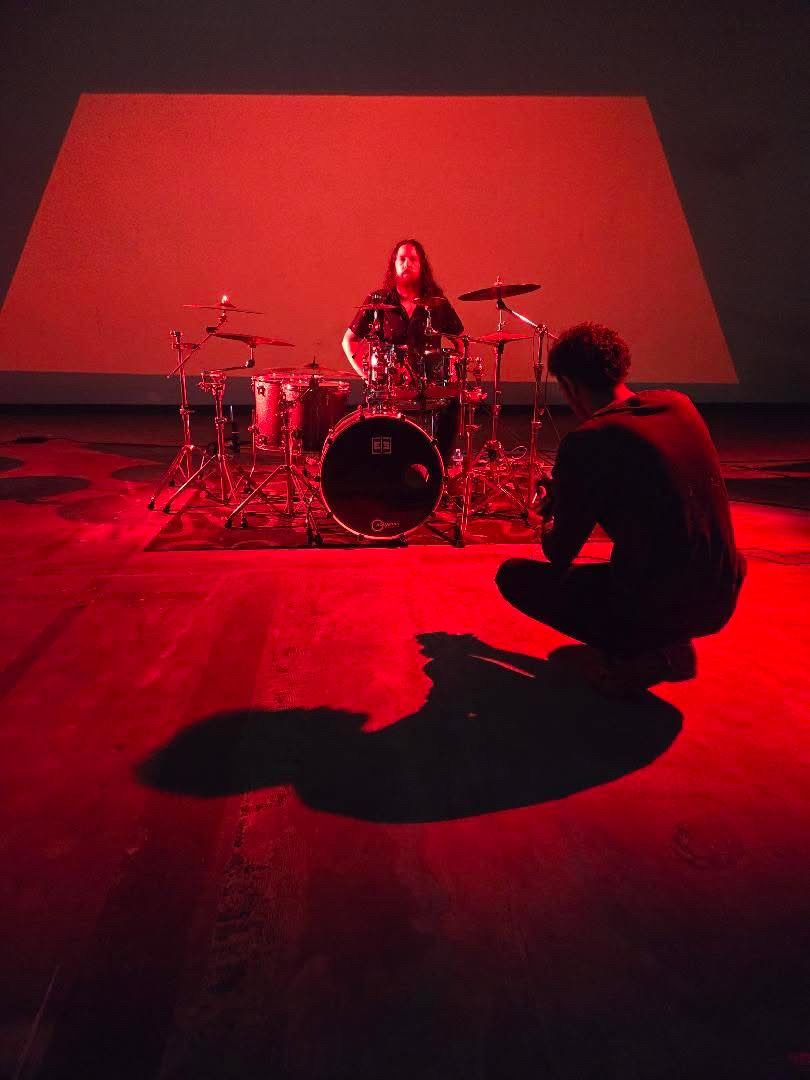
The biggest call was the wave itself. We could have added it in post with visual effects. Instead we projected real ocean footage onto the wall behind the band. That way the light from the wave actually hits their faces and instruments, and the band has something real to play against. That’s also the part the label’s release focused on, the projection and the lighting working together to look like a storm coming in off the ocean.
The Crew
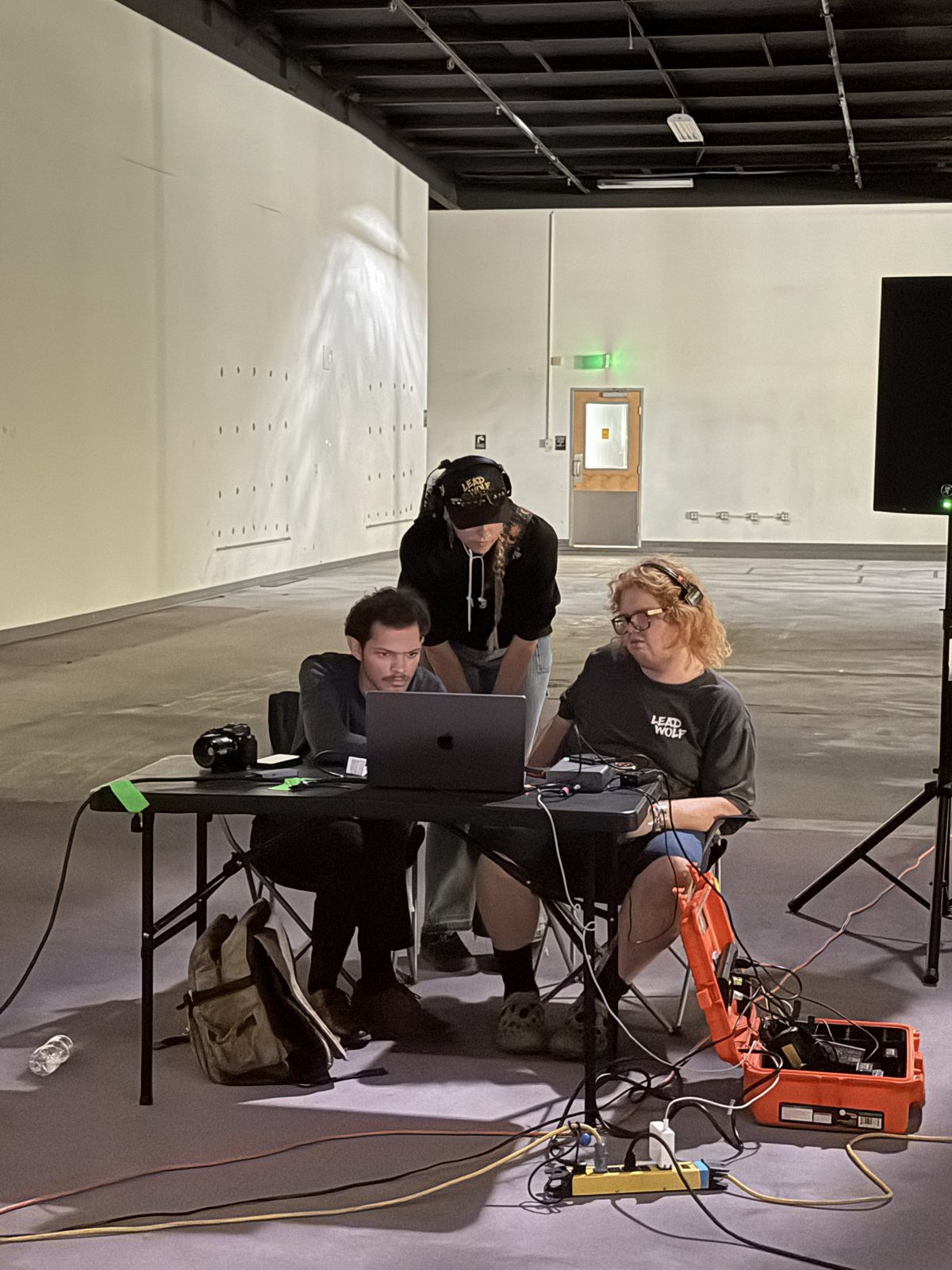
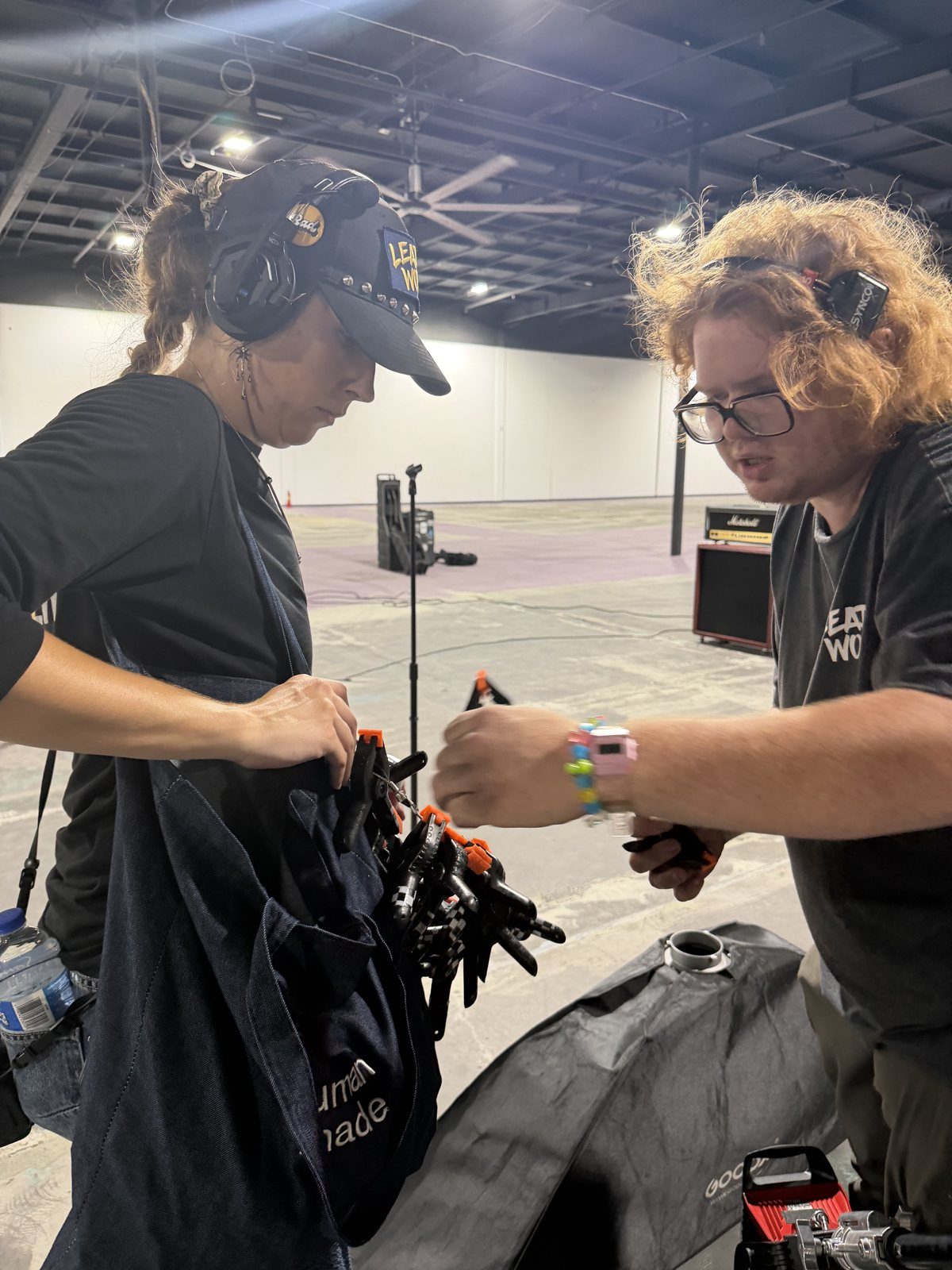
None of this happens without the Lead Wolf crew.
- Emily Holmes and Jack Holmes shaped the production and helped steer the creative vision.
- Eli Koehler, our grip, worked with Michael Soares to set up the visuals, including the projected waves behind the band, and bring them to life. Those two deserve a lot of credit for how this video looks.
- Franco Dean Mora supported the crew and brought creative ideas to the set.
- Tamica Keimig kept the band and the production connected as artist liaison and production coordinator, with John Aviles on makeup and Lauren Barry and Jeff Bergeleen as production assistants. Every one of them made the days run.
Together, the Lead Wolf crew works like one solid creative machine. Big thanks to everyone who gave up their weekend for this one. I couldn’t have made this video without you.
Shoot Weekend
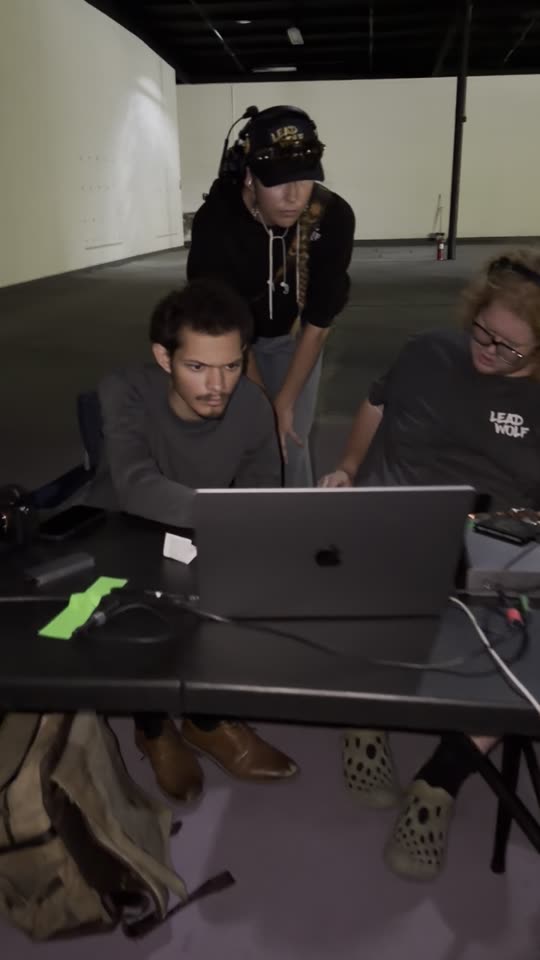
Two days. Day one was mostly the other video, My Devil’s Hour. Day two was the band’s performance and the Rogue Wave projection setups: darken the room, throw the wave up, let the band go.
Board vs. Final
This is the part I like showing people: the storyboard frame, then the same moment from the finished video.
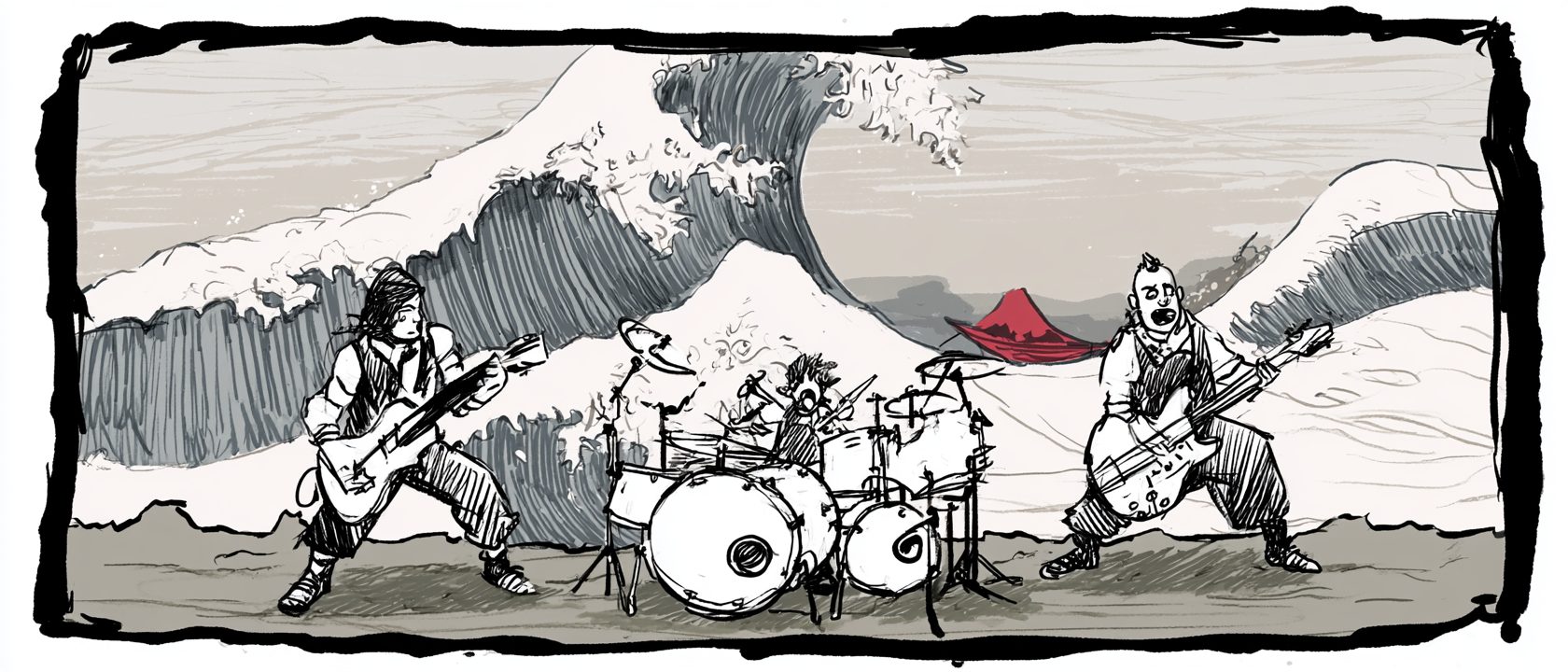
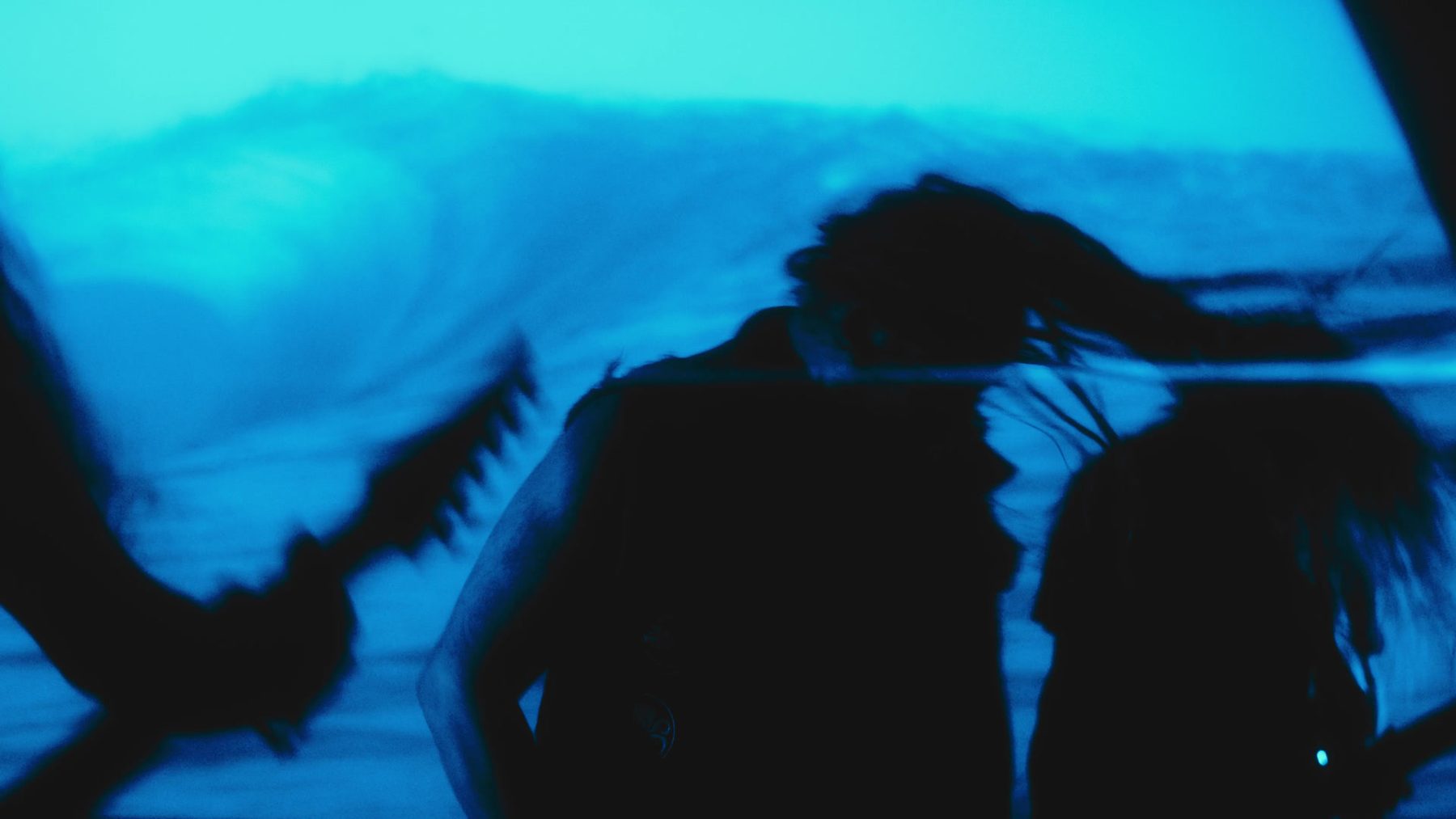
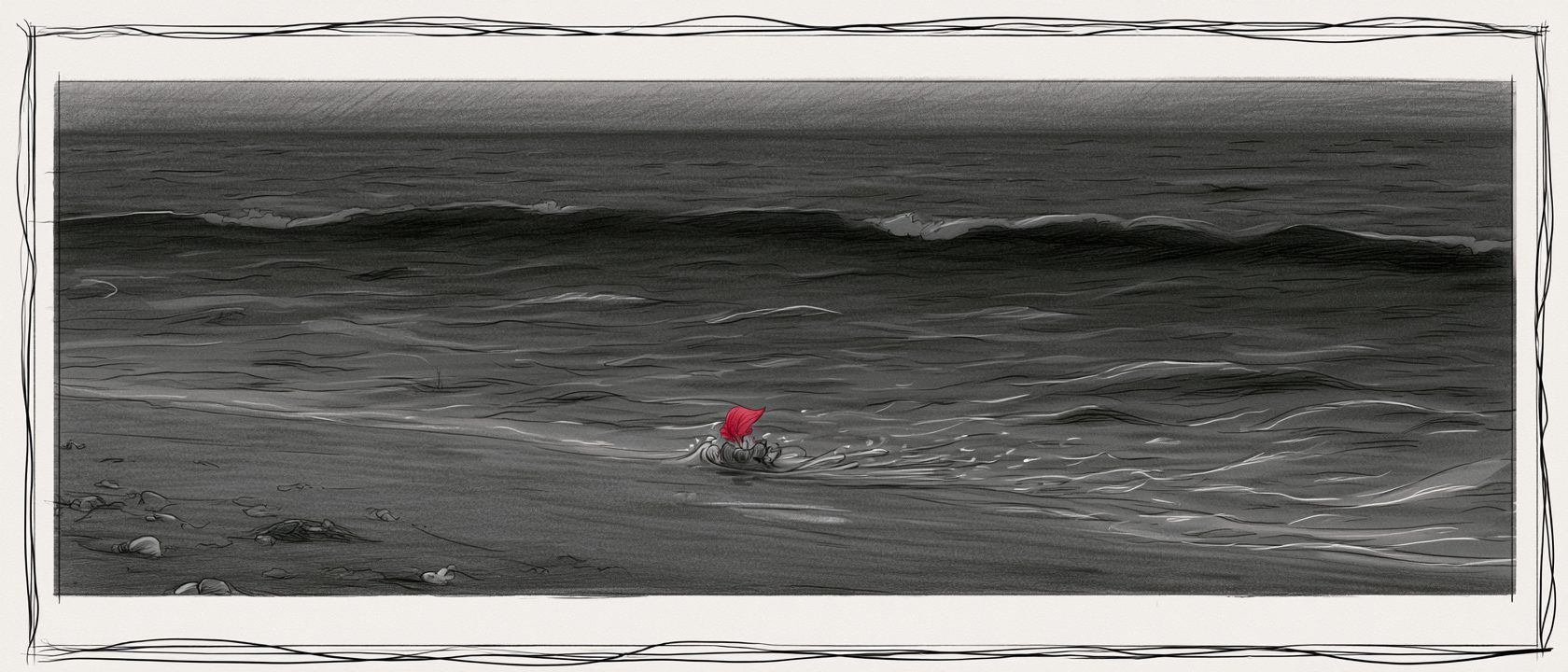
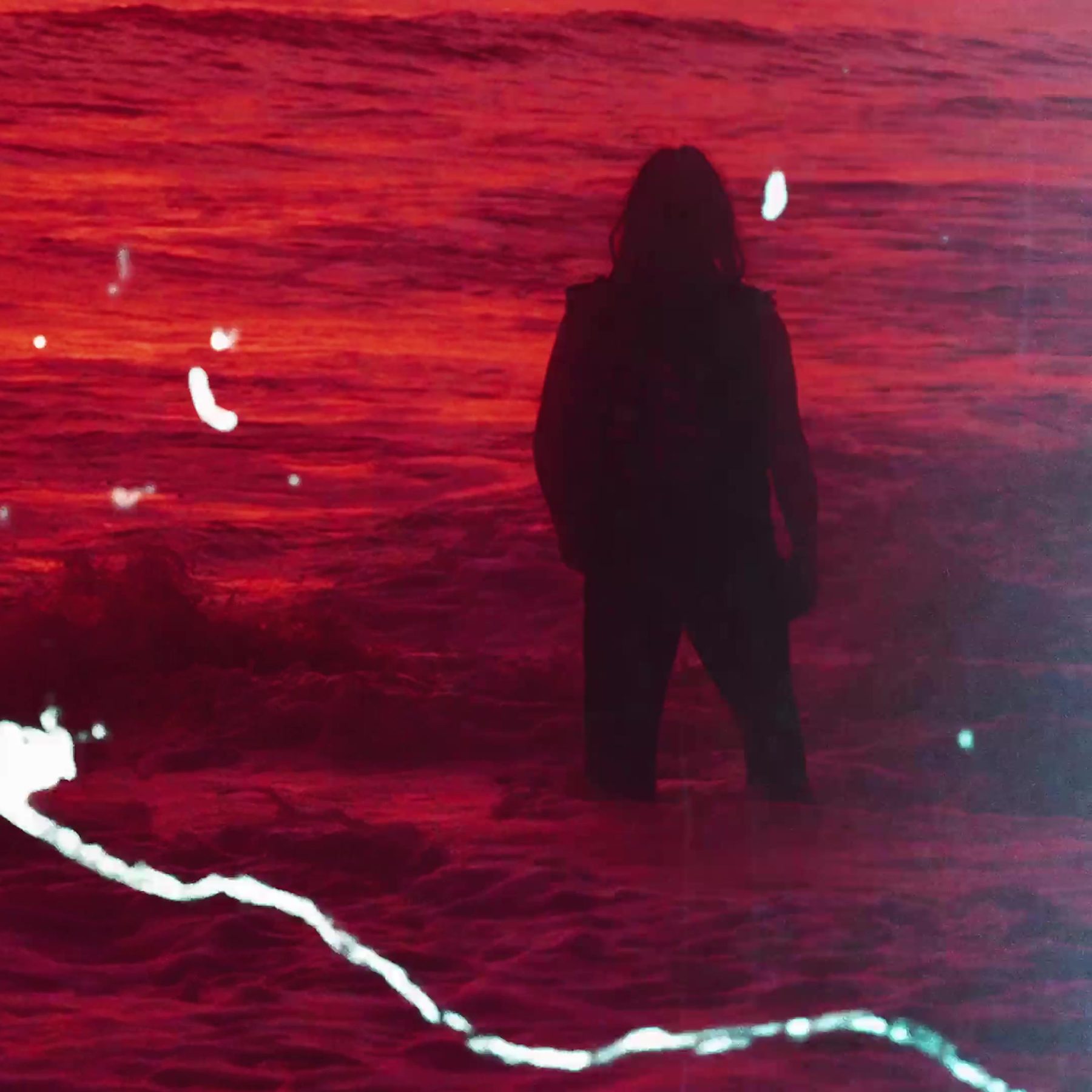
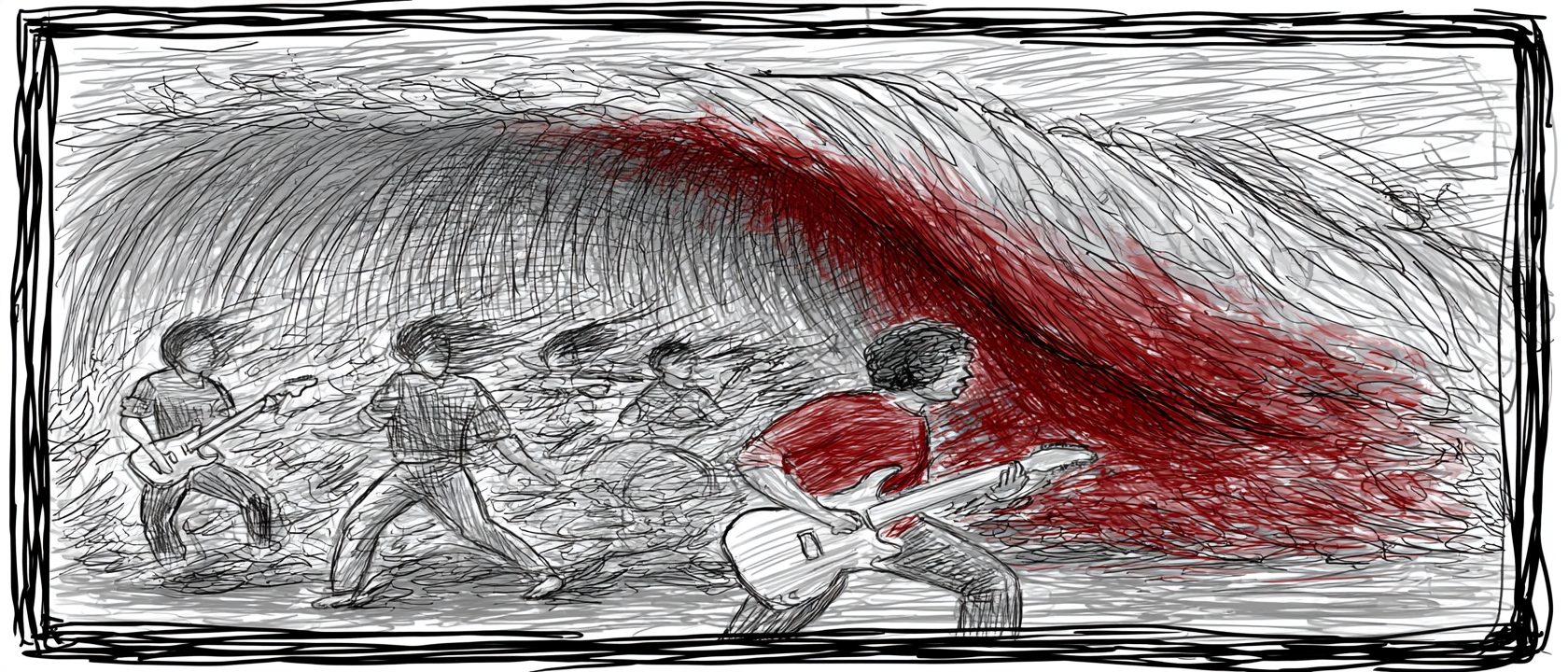
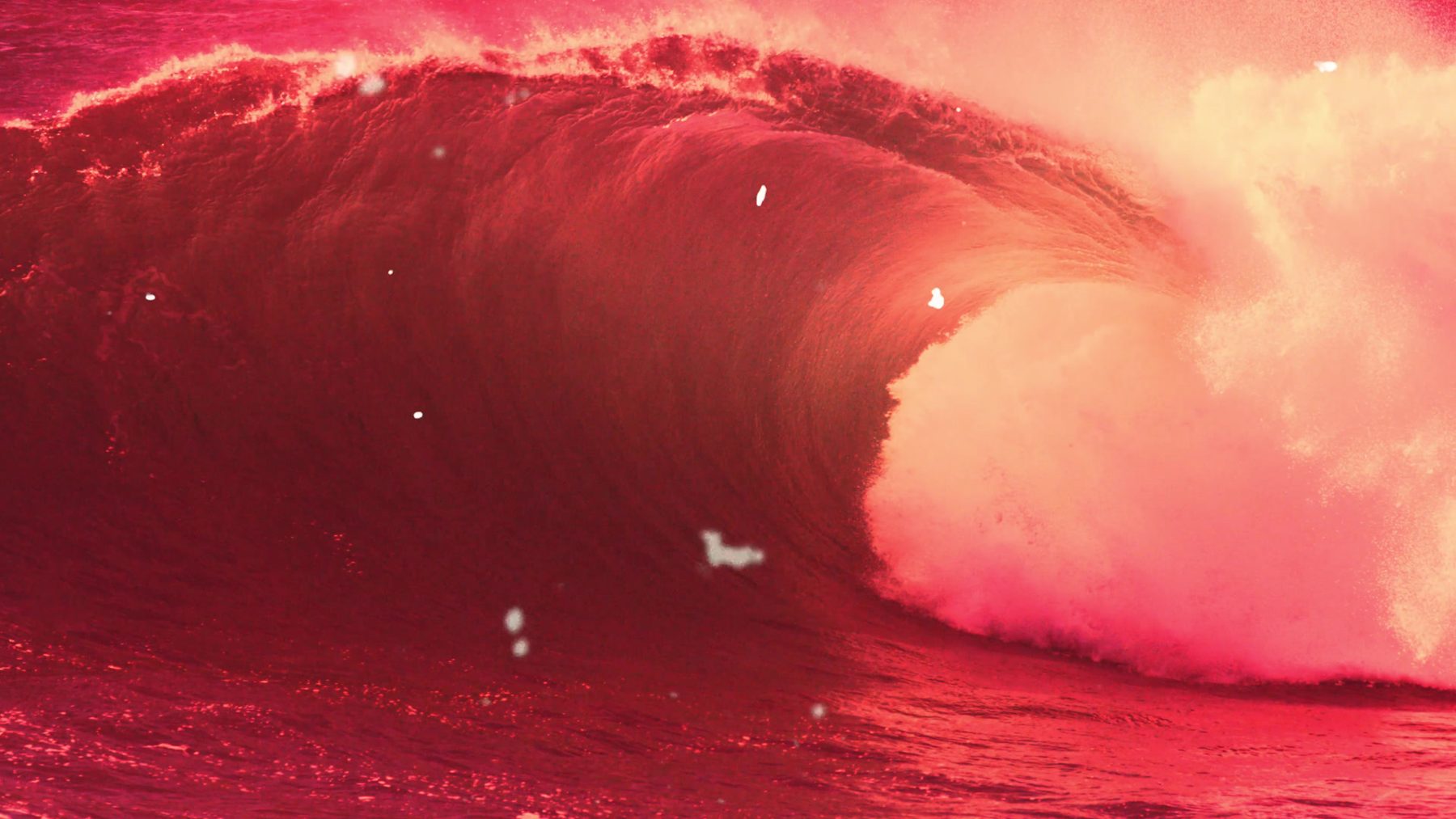
The board sets the idea. The set, the lighting and the band bring it to life. The idea made it all the way through, but the color changed. The plan was a cold blue-grey. In the color grade the performance went deep red, and the blue came back for the wave. That contrast ended up stronger than what I had on paper.
One Shoot, Many Pieces
A music video isn’t one file anymore. From the same footage, the band got:
- The full video
- YouTube thumbnail options
- 35 square stills for social
- A dozen short clips, in 15- and 35-second lengths
- A Spotify Canvas loop
If you plan for those at the storyboard stage, they cost almost nothing extra. If you don’t, you’re digging through footage months later.
What’s Next
Rogue Wave is the first of three videos from The Weight of Nothingness. My Devil’s Hour, the other video we shot that weekend, is coming. According to the label, the personal memories from Rogue Wave come back in that one, but darker and more inward.
The full album comes out January 8, 2027 on Eclipse Records. Watch Rogue Wave on YouTube, stream the single, and pre-save or pre-order the album. You can follow the band at cascadeeffectband.com.
That’s how we work with any business, not just bands: figure out what it’s really about, plan around that, then make the thing.
Follow Cascade Effect
If you like heavy music, go support this band. Watch the video, share it, add Rogue Wave to your playlists, and catch them live when they play near you. Independent bands grow when people actually show up for them.
- YouTube: subscribe to @cascade_effect_band
- Instagram: @cascade_effect_band
- Facebook: cascadeeffectband
- TikTok: @cascade_effect_band
- X: @CE_Metal_Band
- Website: cascadeeffectband.com
- Label: Rogue Wave on Eclipse Records
Credits
- Directed by Oz Riveros
- Assistant director: Michael Soares
- Camera & key grip: Eli Koehler
- Set designer: Emily Holmes
- Crew: Jack Holmes, Franco Dean Mora
- Artist liaison / production coordinator: Tamica Keimig
- Makeup artist / production: John Aviles
- Production assistants: Lauren Barry, Jeff Bergeleen
Music produced by Cascade Effect. Engineered and mixed by Matthew Denis (Nothing More, Greywind, Diamante) at Skylit Sound & Total Access. Mastered by Miro Kiiski (Hypocrisy, PAIN, Beast in Black) at Miro Mastering. Released by Eclipse Records.
Cascade Effect is Dustin Keimig (vocals), Alec Peterson (guitar), Shaun Frude (guitar), Bobby Fernandez (bass) and Seth Roscamp (drums). Find the band at cascadeeffectband.com.