
AI integration · In person at the studio
You don't need an AI class. You need AI installed on the machines you work on.
Most owners aren’t behind on AI because they lack tools. Nobody has sat down with them and wired it into the work they already do — the quotes, the follow-ups, the reviews, the admin. We do that with you, on your laptop, on your real work. You leave with it running.
In person · La Jolla · Your laptop · Hablamos español
Sound familiar?
Where the week actually goes.
Contractors & trades
Every quote, written by hand, at night.
We set it up with your pricing logic, your scope language, and how you talk. You give it your site notes; it drafts the proposal. You check it and send.
Clinics & wellness practices
The inbox wins every day.
Scheduling replies, follow-ups, the same questions every week — drafted for you to approve. And we say plainly what should never go near an AI system.
Restaurants & hospitality
Reviews, inquiries, schedules — all on you.
Review replies in your tone, event and catering inquiries answered fast, and the week’s numbers summarized on one page you’ll actually read.
Agencies & professional services
Reports and follow-ups eat the week.
Meeting notes turned into tasks and client emails, reports drafted from your data, and research on new leads done before the call.
If one of these is you, that’s the task we start with.
What changes
Next week, not someday.
These are the kinds of tasks we set up. You pick the one that costs you the most time, and that’s the one we build first — on your laptop, with your real work.
- Quotes and proposals drafted from your notes, in your voice.
- Review replies that sound like you, ready in a minute.
- Follow-up emails that actually go out.
- Social captions from a photo and one sentence.
- Meeting notes turned into a to-do list and a client email.
- The week’s numbers summarized on one page.

AI illustration · a morning dashboard
Three workshops
What changed afterwards.
Commercial painting
Coastal Color Works
Every proposal was written by hand: three to four hours per job. In one workshop we structured Claude around his real bidding process. Two weeks later he had connected it to his own proposal builder, something we hadn’t even scoped. Same proposal logic, now done in minutes. He has since referred two other business owners.
Construction + coaching
Two businesses, one voice
Charles runs an established contracting company and a coaching brand he’s building from the ground up. One Claude account was producing generic output for both. We rebuilt the setup around his voice, principles, and business context, so each brand sounds distinct without starting from zero every time.
Consulting
From dabbling to a real system
He’d used ChatGPT and Claude before, but every session felt like starting over. He was treating Claude like memory, when it works better as the processor. We set up Notion as the memory layer and Claude as the thinking layer. Now he has a repeatable way to research, qualify, and organize leads.
In his own words
Charles, on working with us.
Construction and coaching. Two businesses, one Claude setup built around his voice. Tap to play with sound.
In his own words
Chris, on working with us.
Commercial painting. Proposals that took three to four hours by hand now take minutes. Tap to play with sound.
The workshop
Two hours. Your laptop. Your real work.
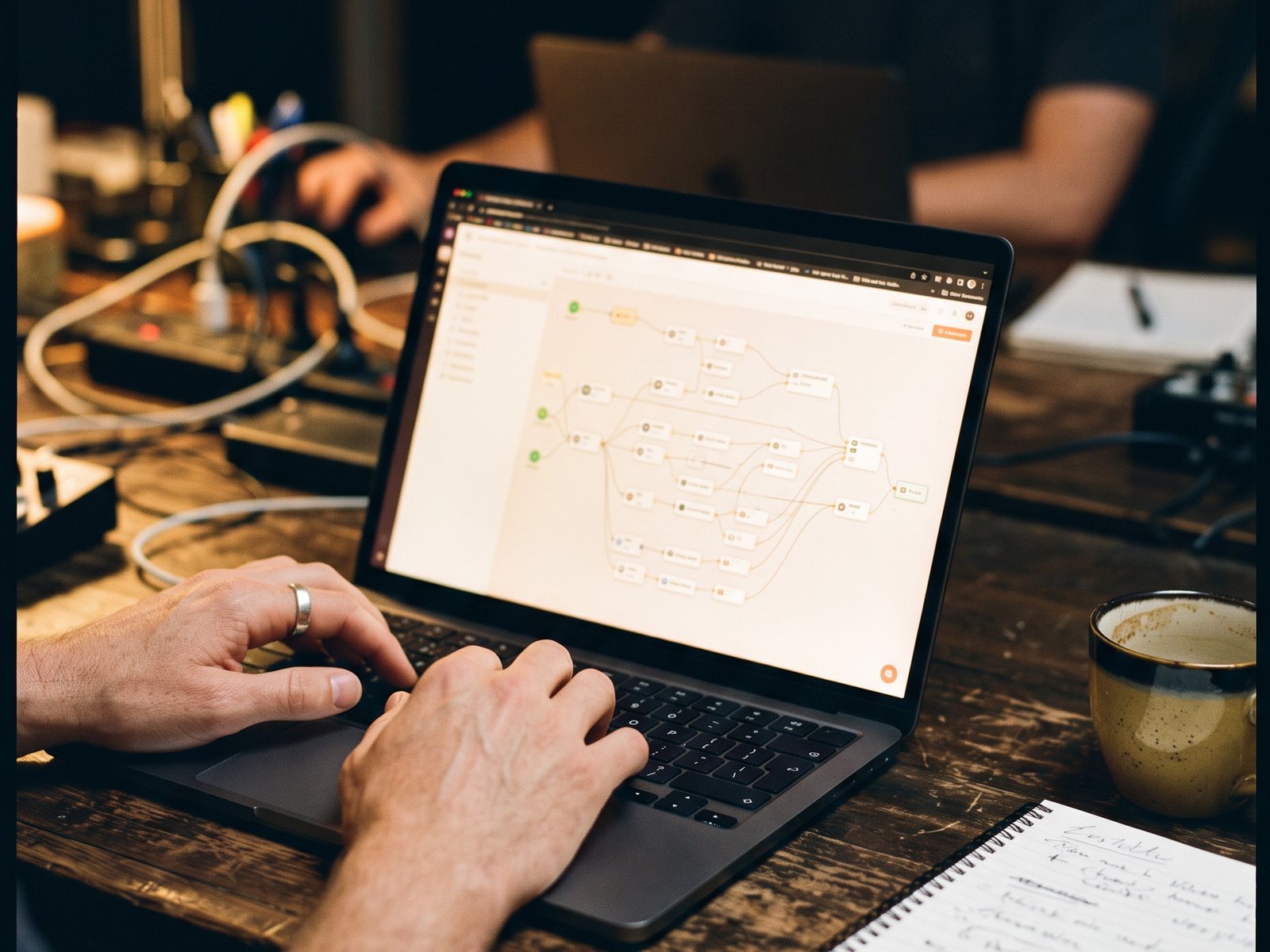
AI illustration
01
Set it up
Claude, installed on your laptop, in your name. Connected to your email, calendar, and files if you want. You watch where everything lives, so you can do it again without us.

AI illustration
02
Make it yours
We write down who you are, who you serve, and how you sound, so every answer sounds like your business. Then we build one real task, start to finish.

AI illustration
03
Fix what’s stuck
Open floor: what broke, what’s confusing, what doesn’t fit. What can’t be fixed today goes on a ranked list, in writing, whether or not you hire us.
One-on-one or your team, up to 8 people. One 2-hour session to start; two more if you want it rebuilt around every workflow. In person at our La Jolla studio, in English or Spanish.
You walk out with
Not notes. Something that works.
Before you leave
In the room
AI on your laptop that already knows your business. Your account, your name — not a demo.
One real task, working before you pack up.
A short list of what to try first this week.
Within 48 hours
In your inbox
A written recap of what we built and why.
Your prompts and practices guide, ready the next morning.
A one-page summary of your AI setup and what to reach for first.
Your Morning Dashboard, which you install yourself — the last rep of the training.
We check in at 30 days.
Who runs the room
AI drafts and sorts. A human approves and sends.
I’m Oz Riveros, and I run every one of these myself. I facilitate the way I’d run a table, not a lecture: your business is the world, your team are the players, and I set the scenes and ask the questions. It gets far more honesty out of a room than a slide deck does.
Nothing goes to a client, a donor, or a bank without your eyes on it. And I’ll tell you when AI isn’t the answer. If your files are chaos or your process is broken, wiring AI into it just gets you a faster mess. Sometimes the honest deliverable is “fix this first.”
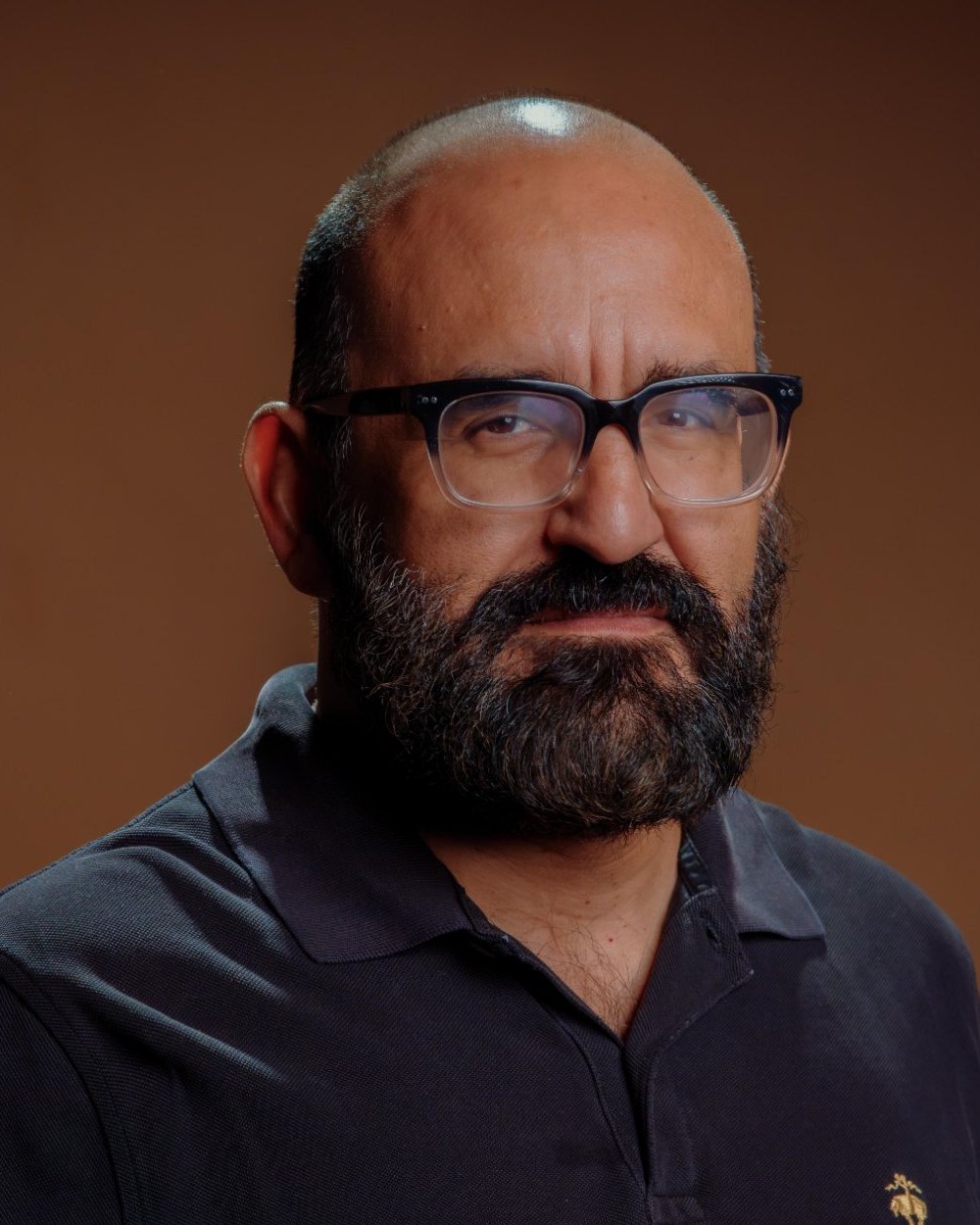
Oz Riveros · runs every session
Why this, not a free class
Built with you, not for you.
Free AI classes
Teach what AI is.
Useful background. You go home with notes and nothing running on your own work.
AI agencies
Build it for you.
Then they’re gone. When something breaks or your business changes, you’re paying someone again.
Lead Wolf
Builds it with you.
On your laptop, on your real work, in your name. You learn to run it yourself. And if the real problem isn’t AI, I’ll say so.
Hablamos español — todo el proceso, en español si lo prefieres.
Questions
Straight answers.
Do I need to be technical?
No. If you can use email and a web browser, you’re fine.
What do I bring?
Your laptop, your logins, and one task you’d pay someone to never make you do again. We work on that task.
Whose account is it?
Yours, in your name, on your card. We set it up with you and you own it. We don’t resell software, and there’s nothing to cancel if we stop working together.
Is my client data safe?
We only connect the tools you choose to connect, and we say out loud what should never go near an AI system: anything under a confidentiality obligation, and anything regulated. If you’re in healthcare or education, ask me directly. There are real limits and I’ll tell you what they are rather than guess.
Can we do it in Spanish?
Sí. The session, the setup, and the follow-up can all be in Spanish.
What if my team doesn't stick with it?
That’s the real risk, and it’s why the format works this way: everyone builds something for their own job, on their own machine, and leaves with an owner and a date attached. We check in at 30 days.
What if I need more than a workshop?
Some businesses need a bigger system — reporting, quoting, and follow-up wired together. That starts with a Wolf Audit: 45 minutes, free for qualified businesses, and a written list of what to fix first. Some of it you can do yourself, and we’ll tell you which.
The next step
Tell us what you’re trying to make happen.
45 minutes, free for qualified businesses. You leave with three things to fix, in writing. If we can’t find anything worth fixing, we’ll say so.
45′ · three things to fix