
A music video for Stephen Encarnamo, built in three passes — a rough sketch, a look frame, and the real shot on the night.
Some songs are loud. This one is quiet and it stings. It Hurts How Much I Love You is about loving someone enough to let them go — no villain, no cheating, just two people who can’t make it work out loud.
Stephen came to us wanting the video to feel intimate and a little dramatic, but never over the top. That’s a narrow target. So we planned every scene three times before we shot it once.
The Story Is a Circle
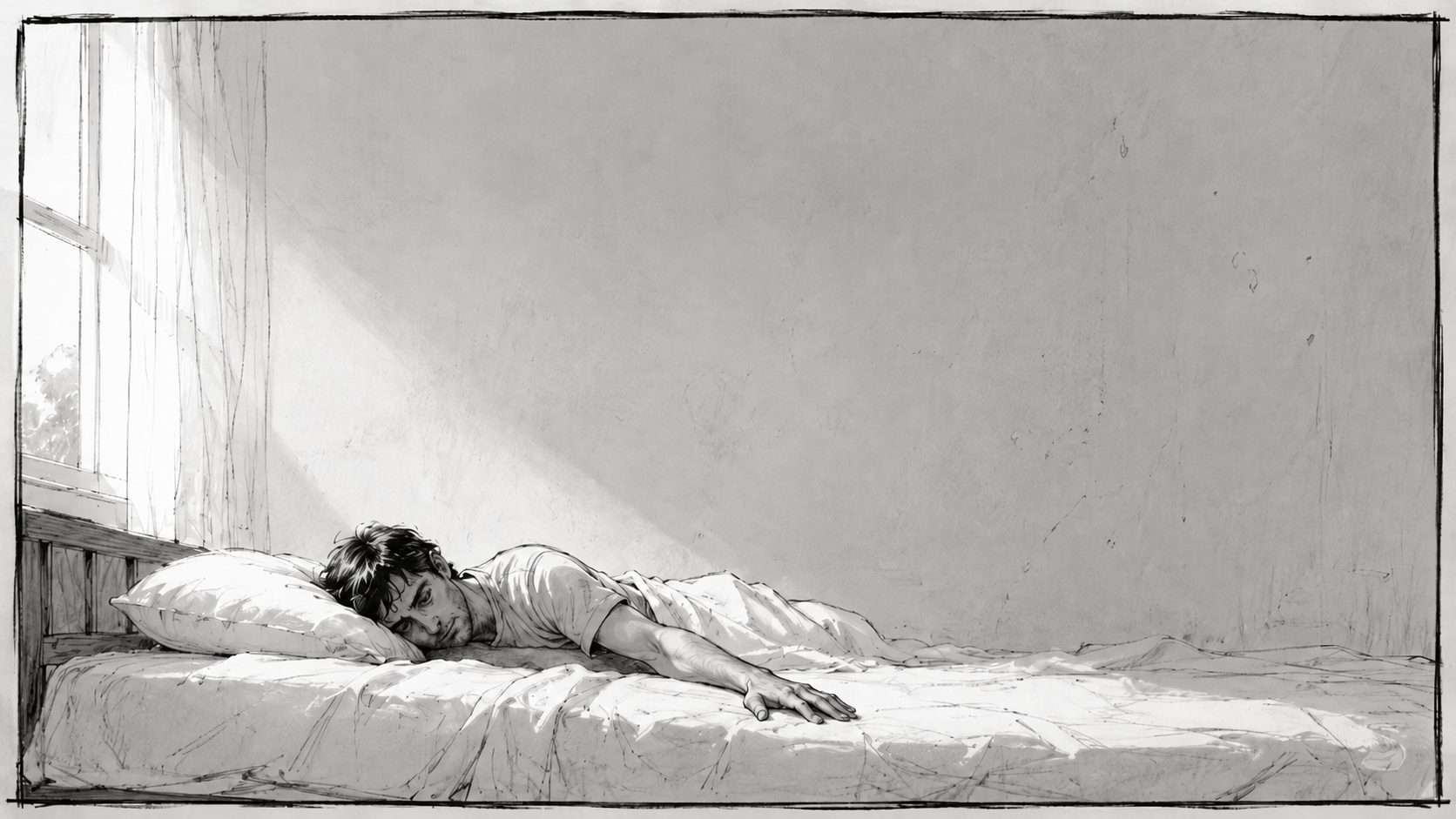
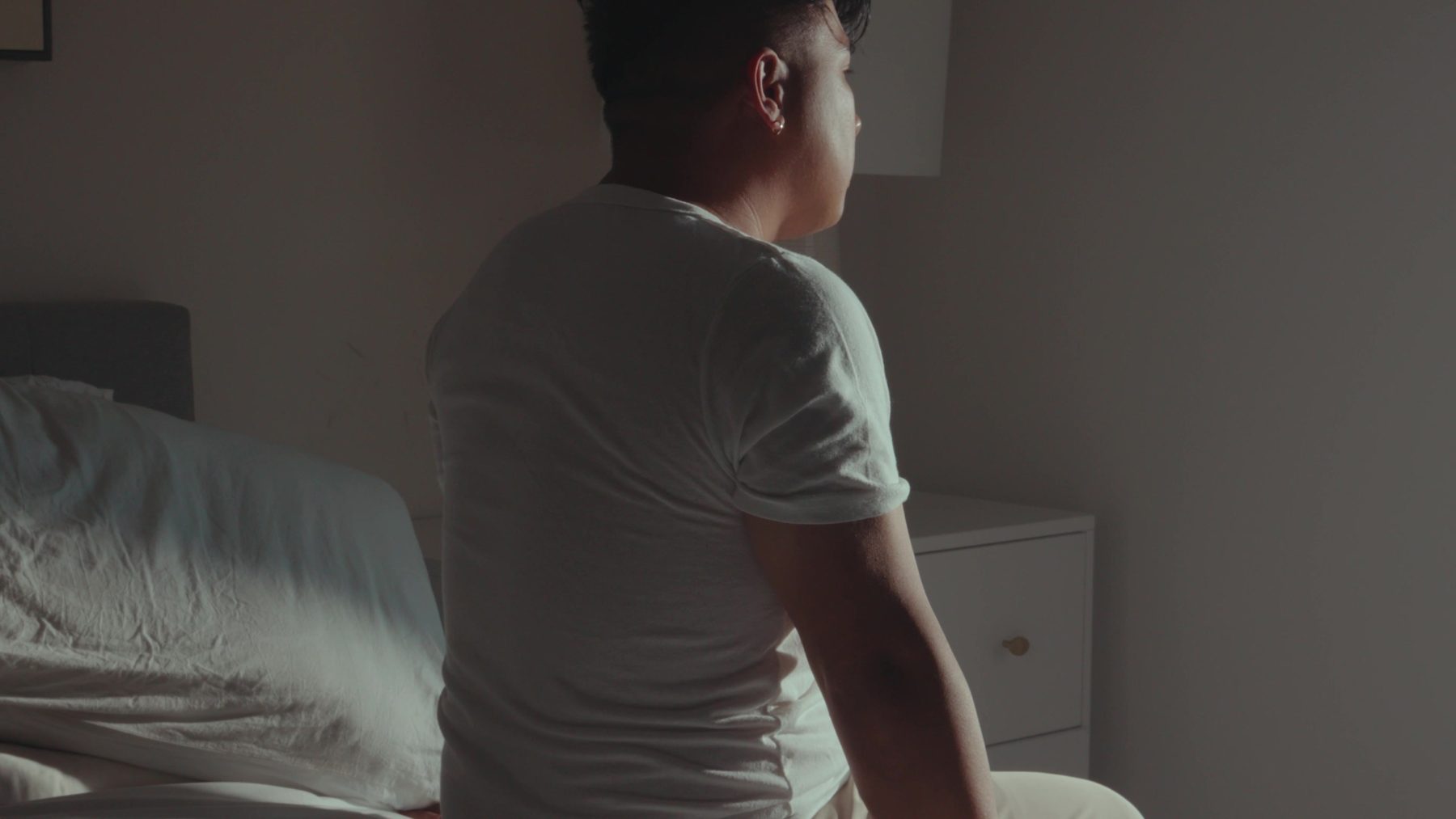
The video opens in a bedroom, after it’s over. Stephen alone, one hand on the empty side of the bed. Then it flashes back through the whole relationship — the first meeting, the party, the good months, the first signs of distance, the conversation nobody wants to have. And it ends where it started, in the same bedroom, in the same frame.
Same shot, different person. That loop was the first decision, and everything else hangs off it.
A Personal Story
The song is Stephen’s own story, and he plays himself. Opposite him is Diego Guardado, his coworker, who plays the man he loved and let go.
That made this shoot different from most. It was small and intimate by design — a few people in a room, not a crowd around a monitor. For Stephen, acting out something he actually lived through turned out to be cathartic. You can see it on screen. Some of those looks aren’t acting.
A lot of my work happened long before shoot day. I helped Stephen shape the story, then adapted it from a song into something that works as a short film and a music video at the same time — which scenes carry the story, where the performance takes over, and how it loops back to the start.
On set, my job was directing each scene and working closely with both actors. The hard part was balance. The story needed to sting without turning into a soap opera, and the performance needed to feel big without losing the intimacy. Most of directing is keeping those things in balance.
Three Passes on Every Scene
For each scene we built three versions before shoot day:
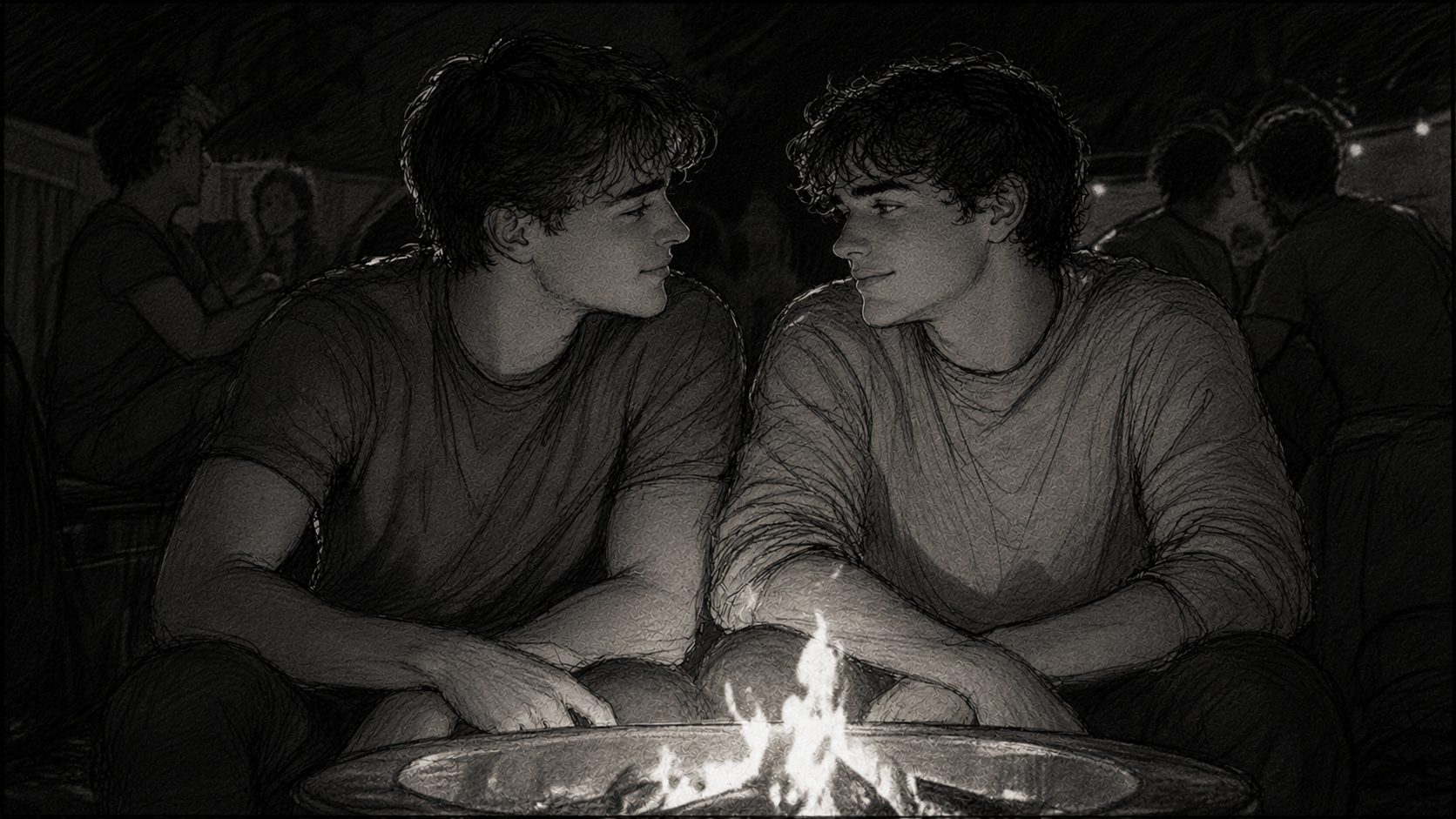
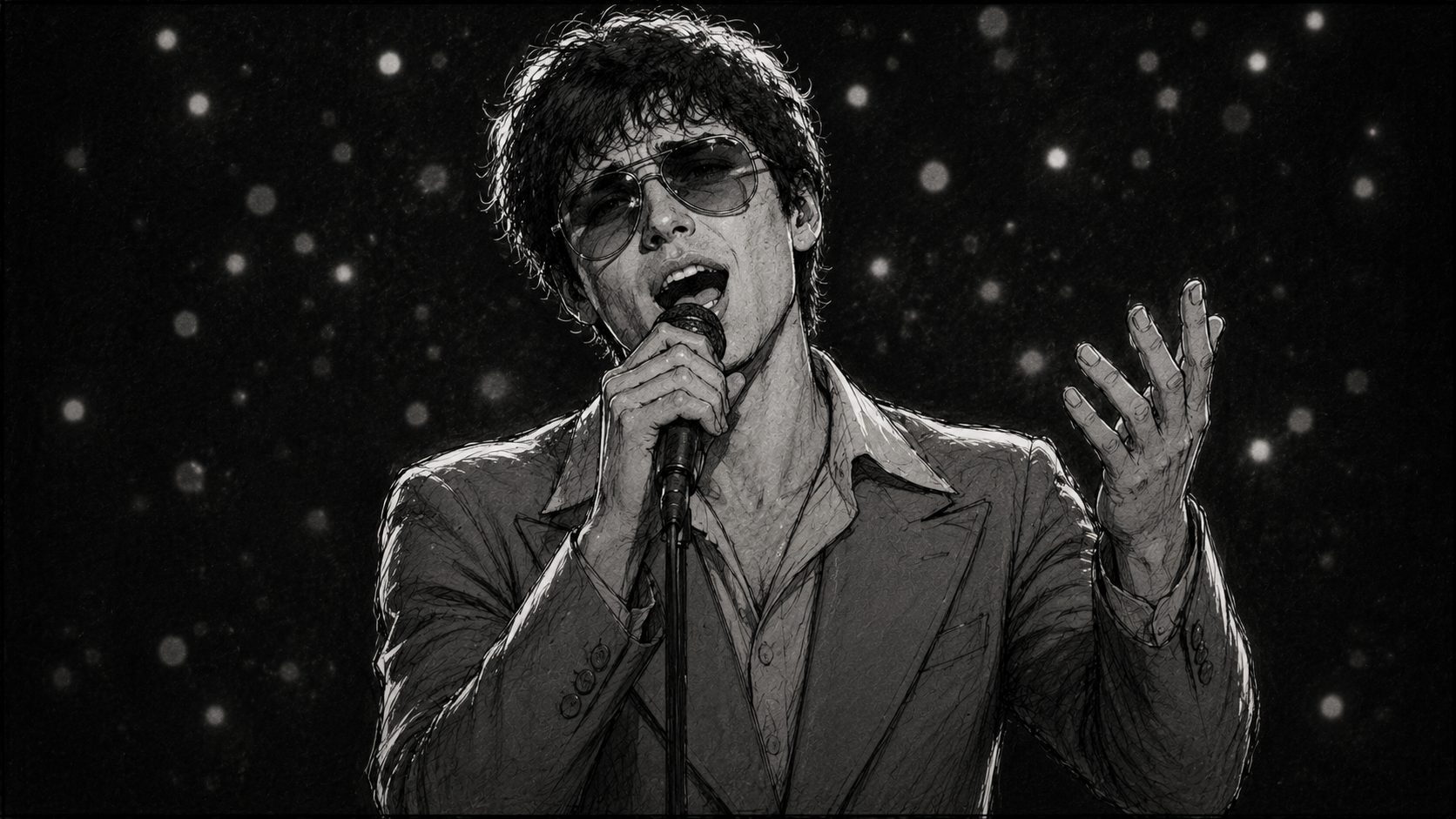
- A sketch — black-and-white, rough, just enough to show where the people are and where the camera sits.
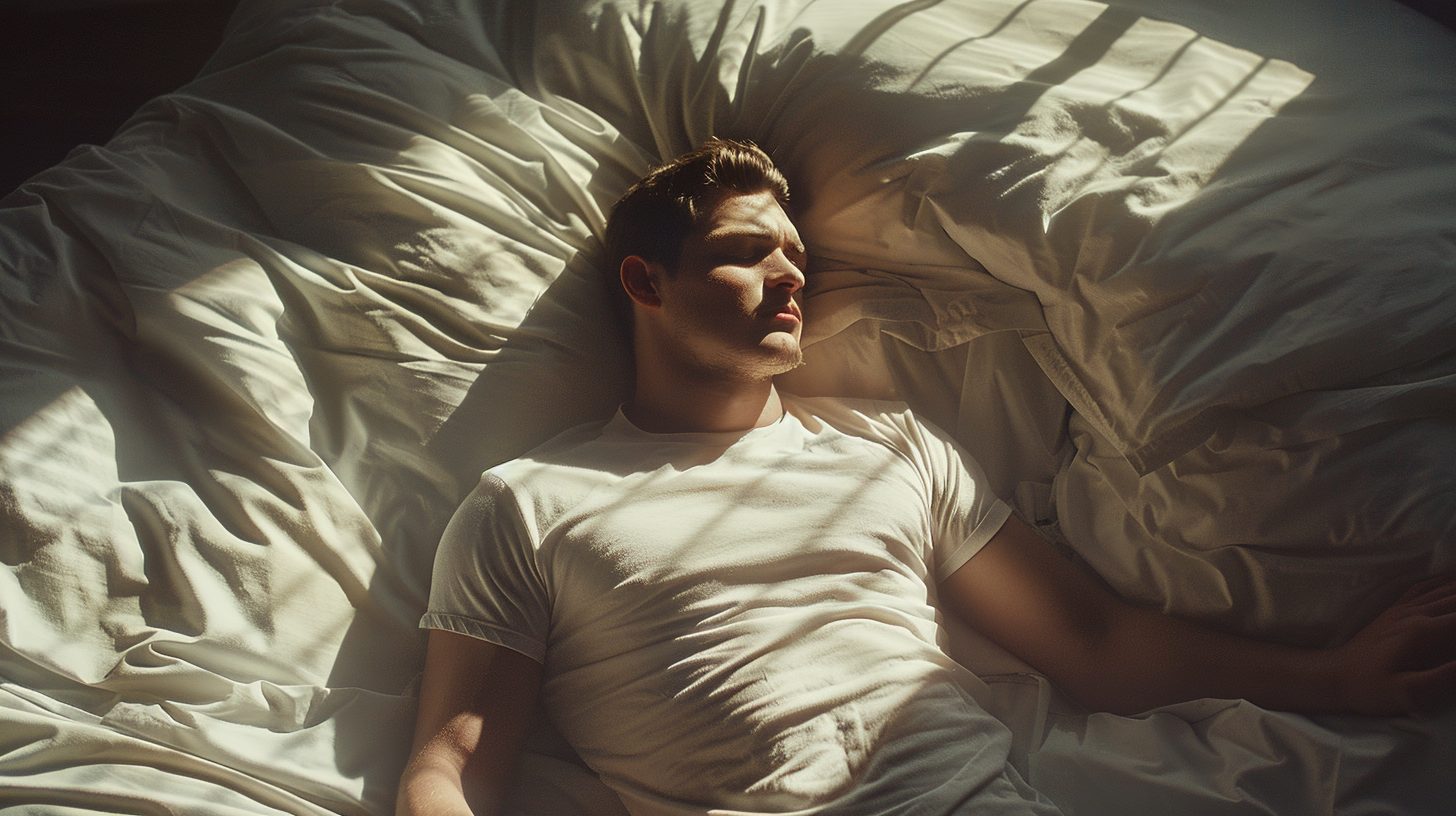
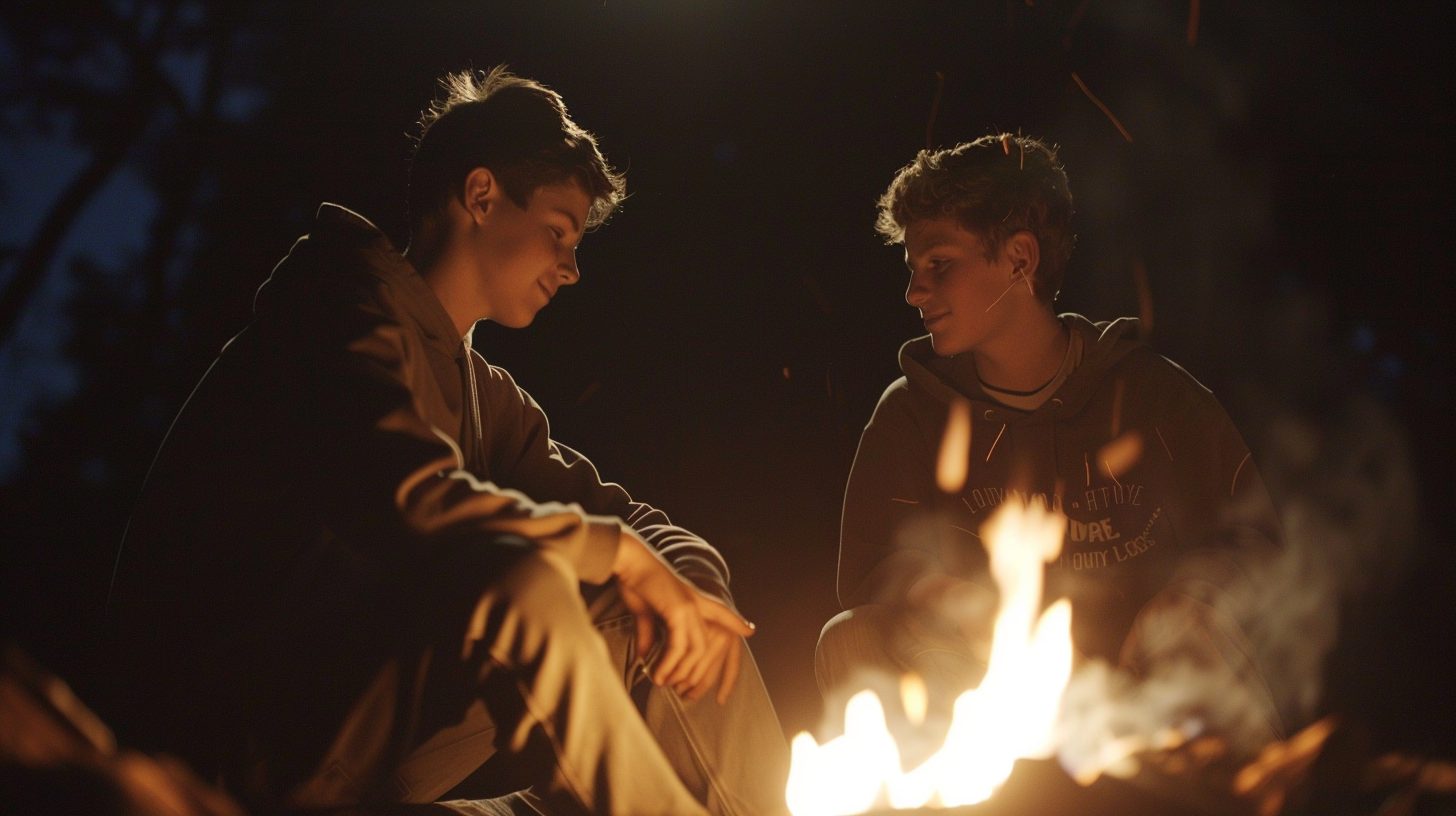
- A look frame — a cinematic reference image for light, color and mood, so the crew knew what we were chasing.
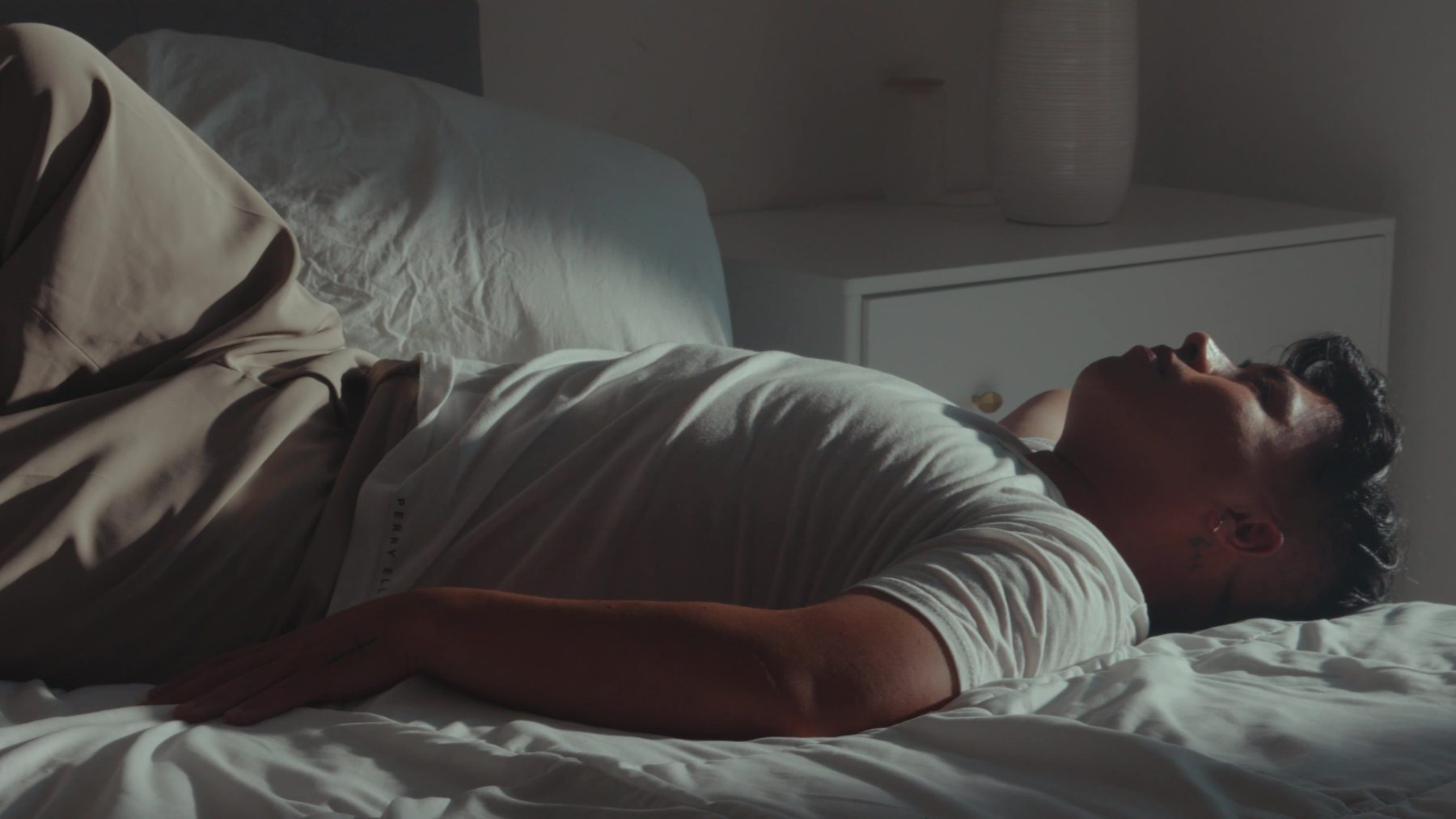
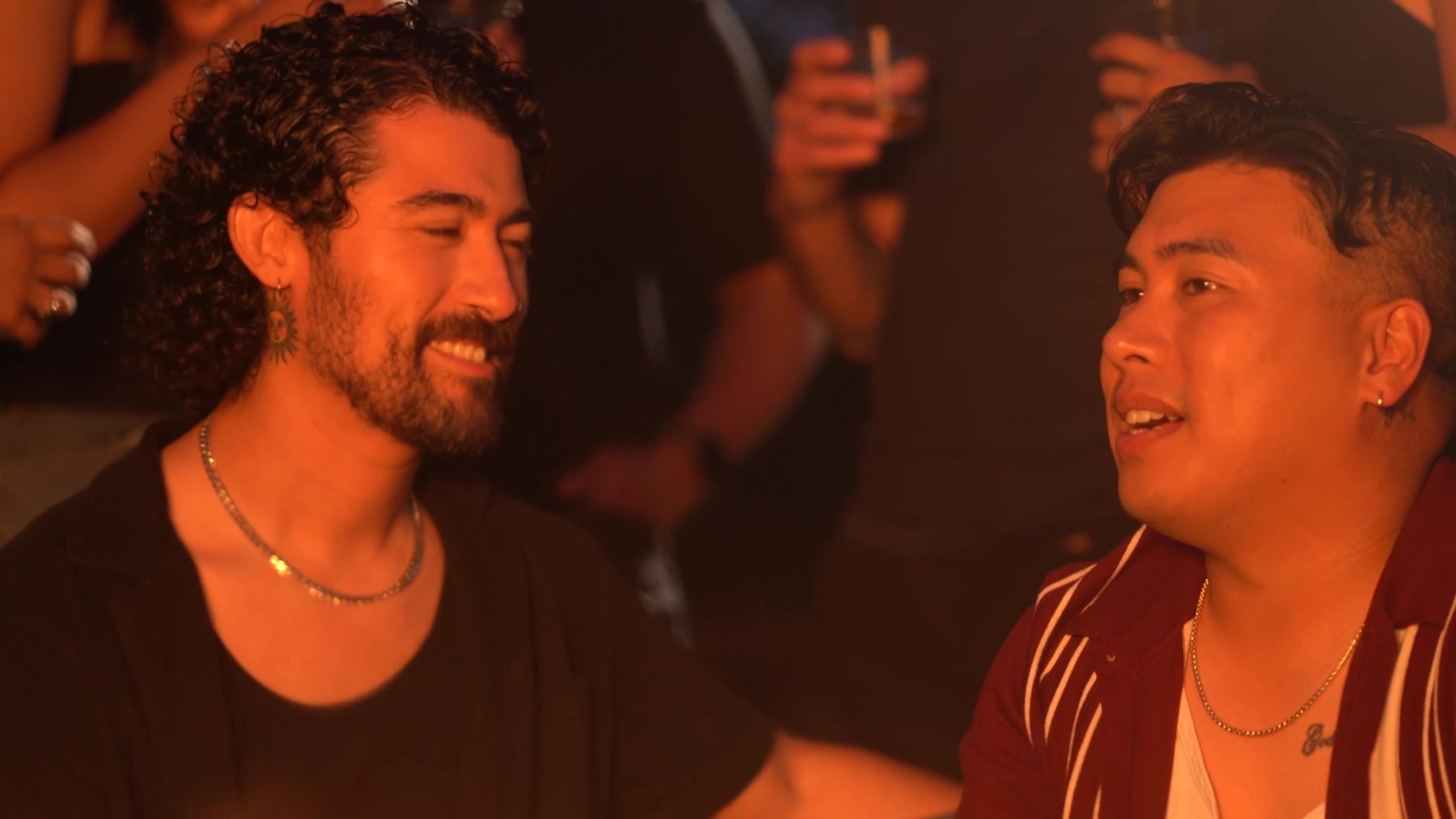
- The final — the actual frame from the finished video.
The sketches and look frames were generated with AI image tools from written shot descriptions. They’re not art for the wall. They’re the fastest way to get the artist, the crew and me agreeing on a picture before anyone spends a dollar on set.
The morning after
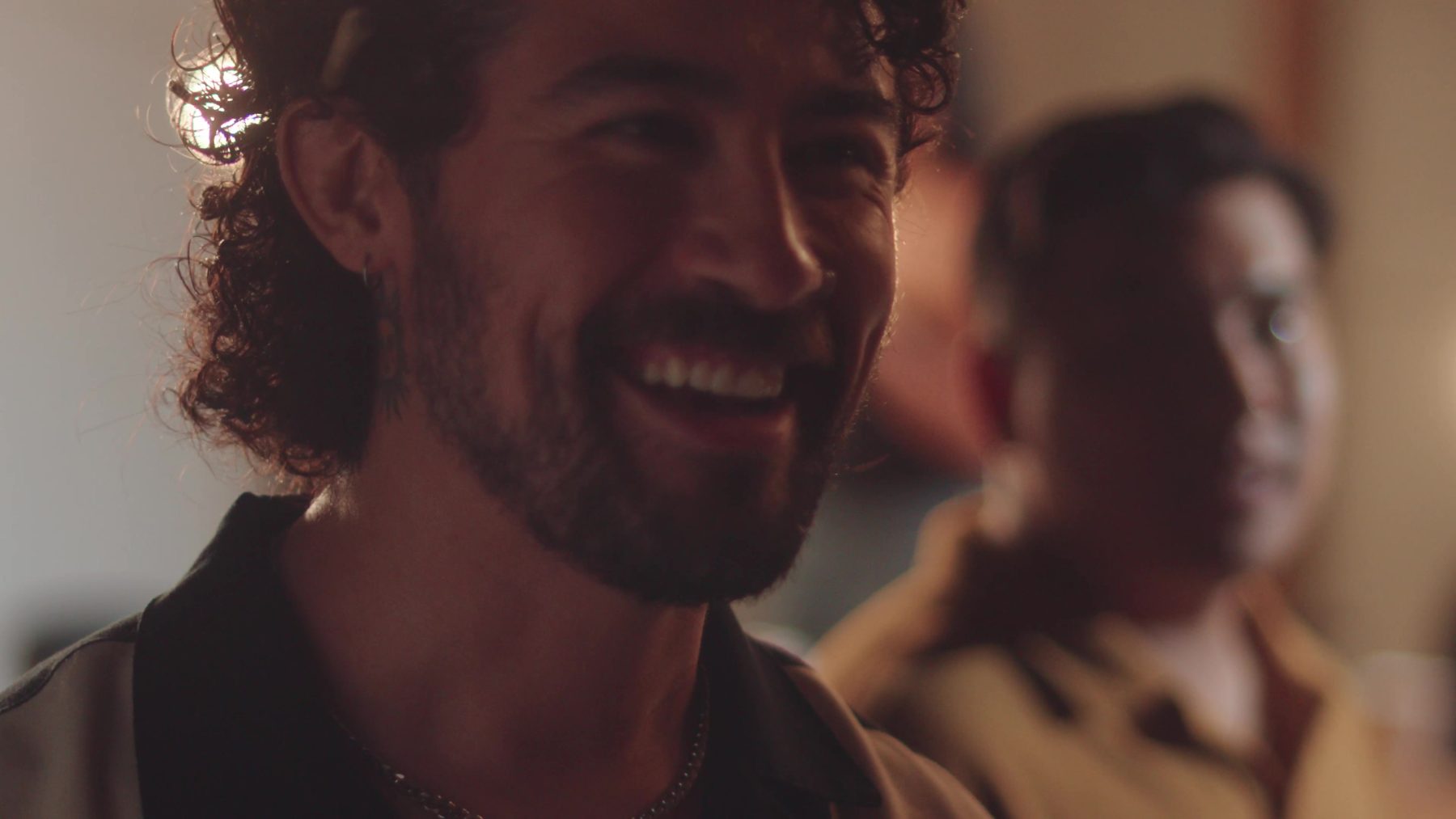
The first meeting
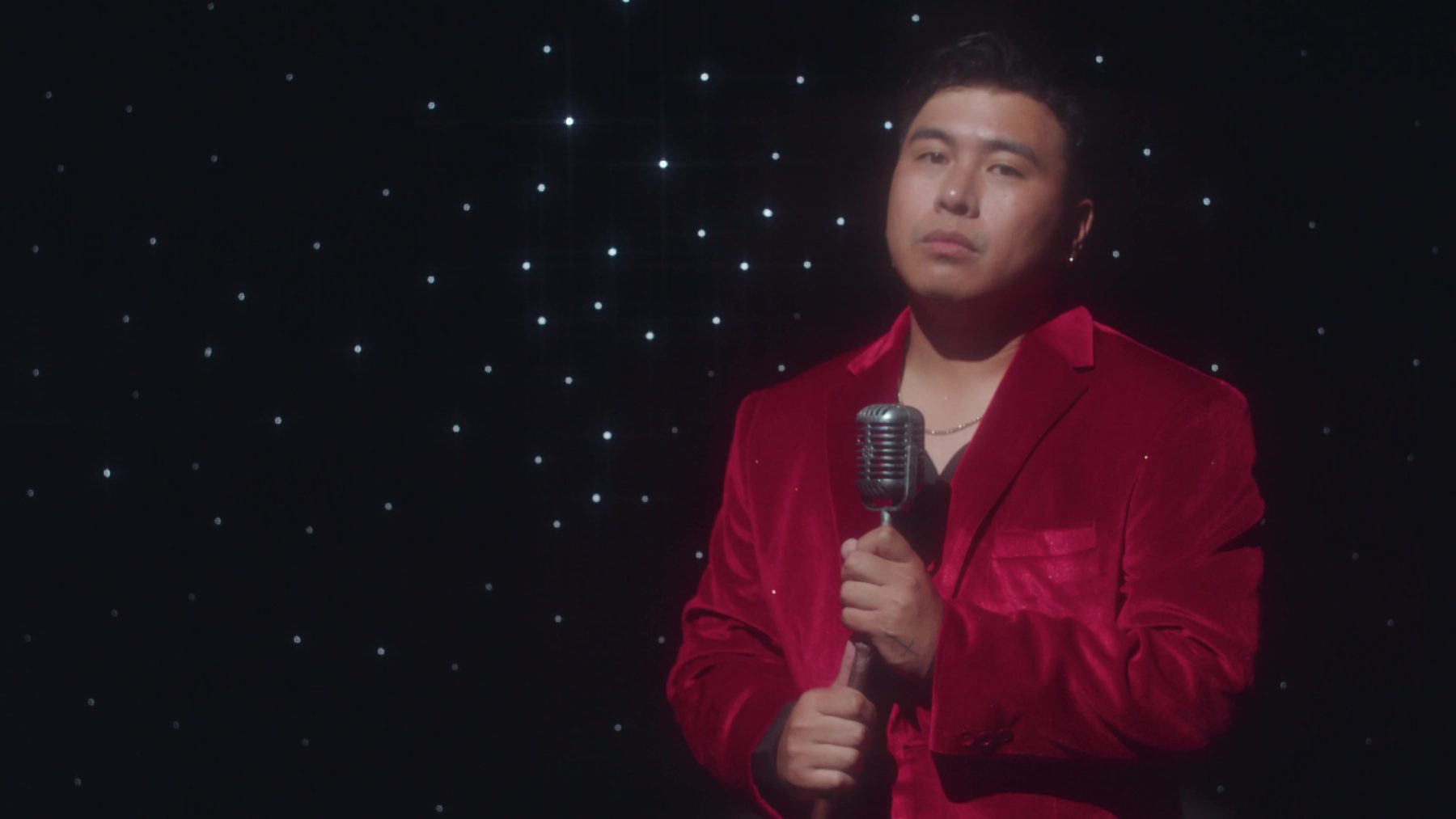
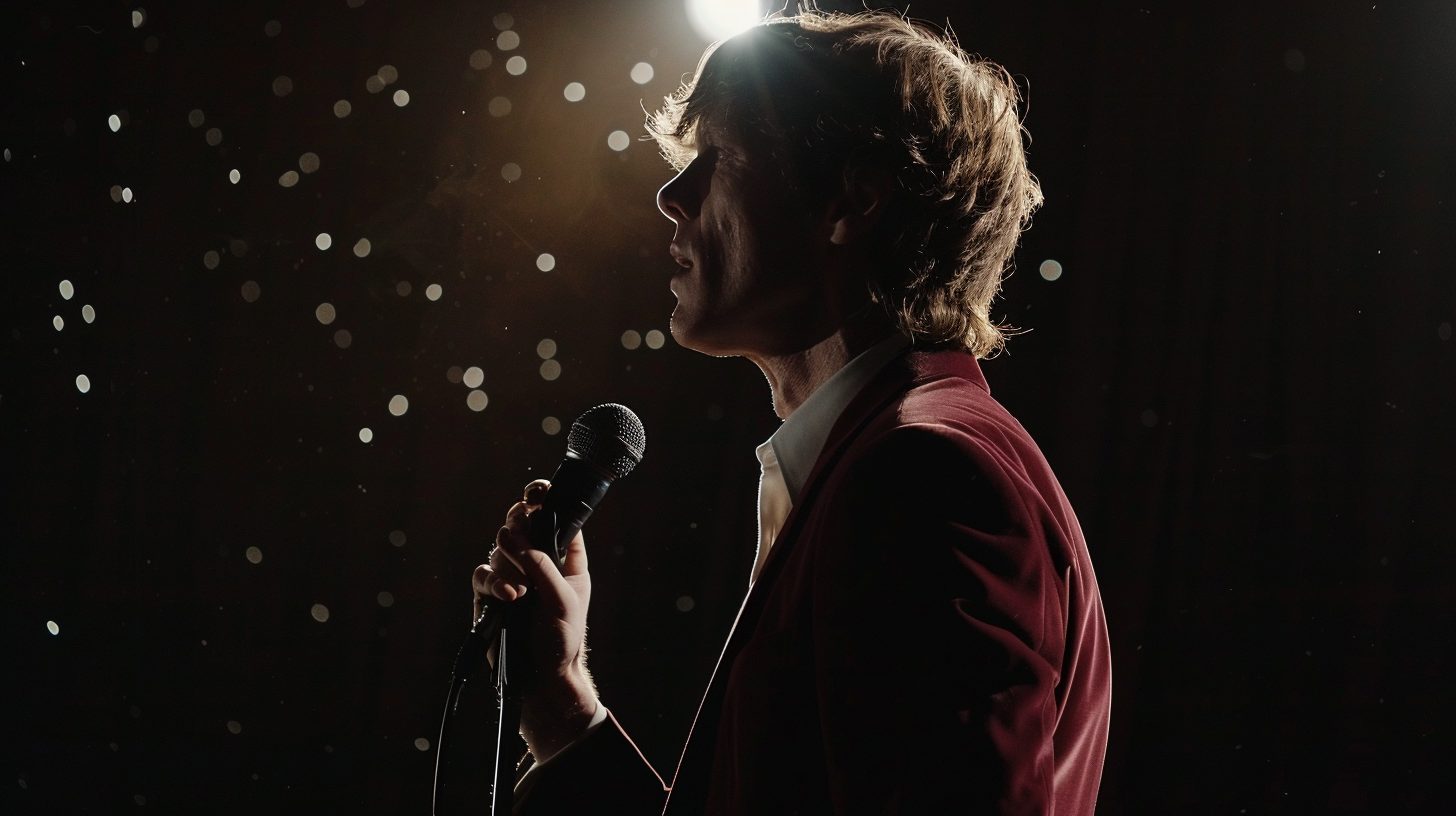
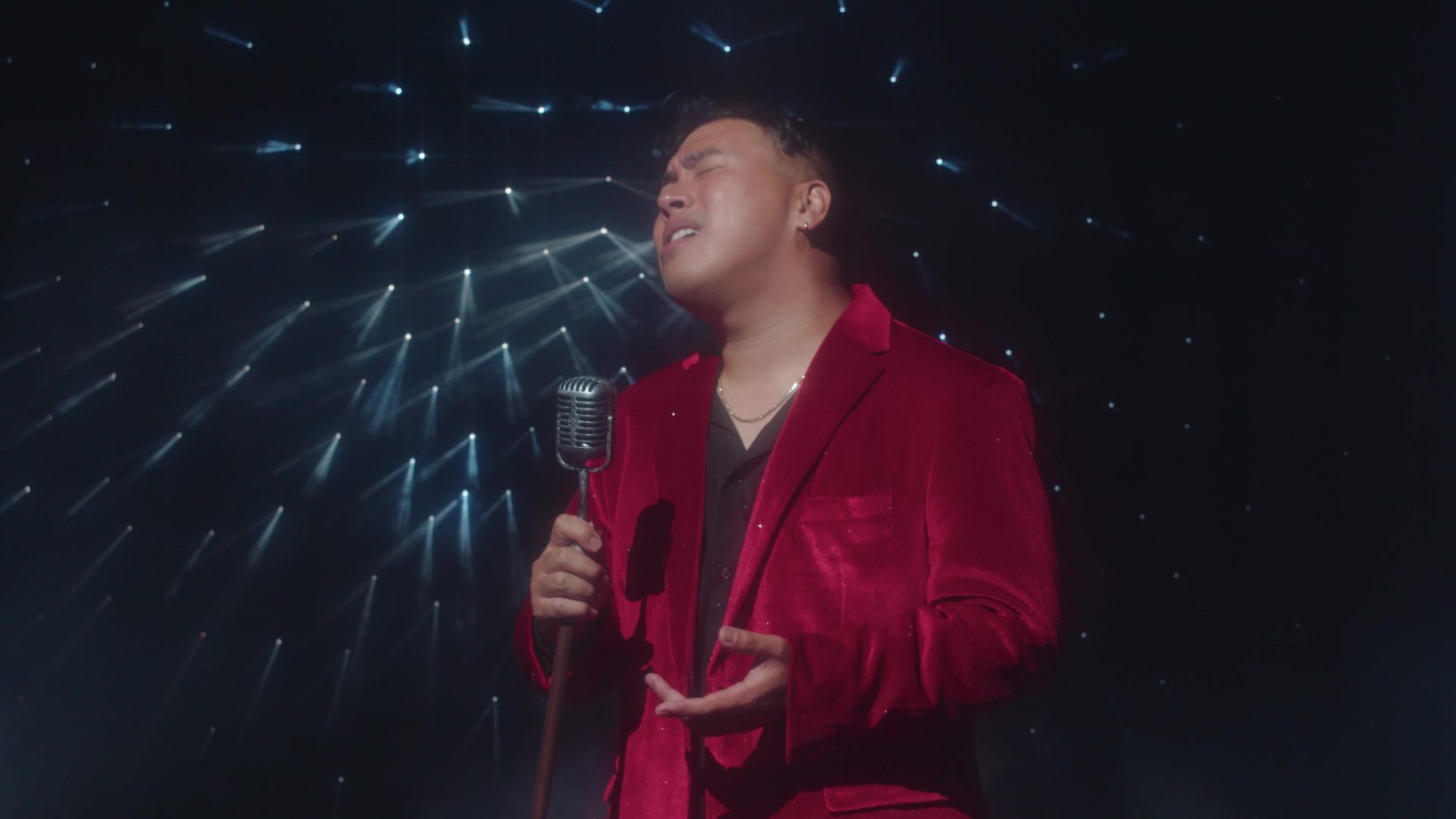
The performance
Color Tells the Story
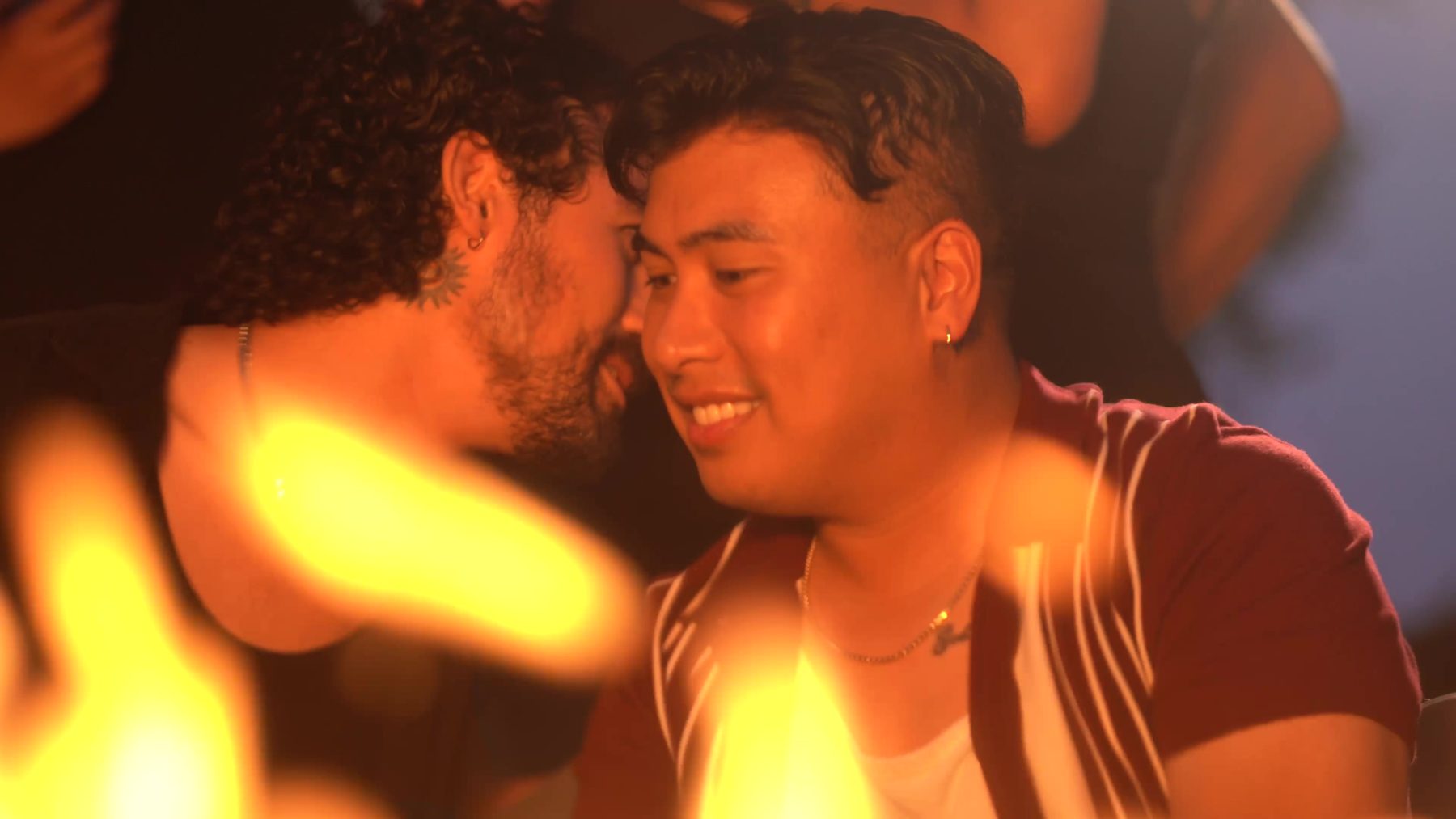
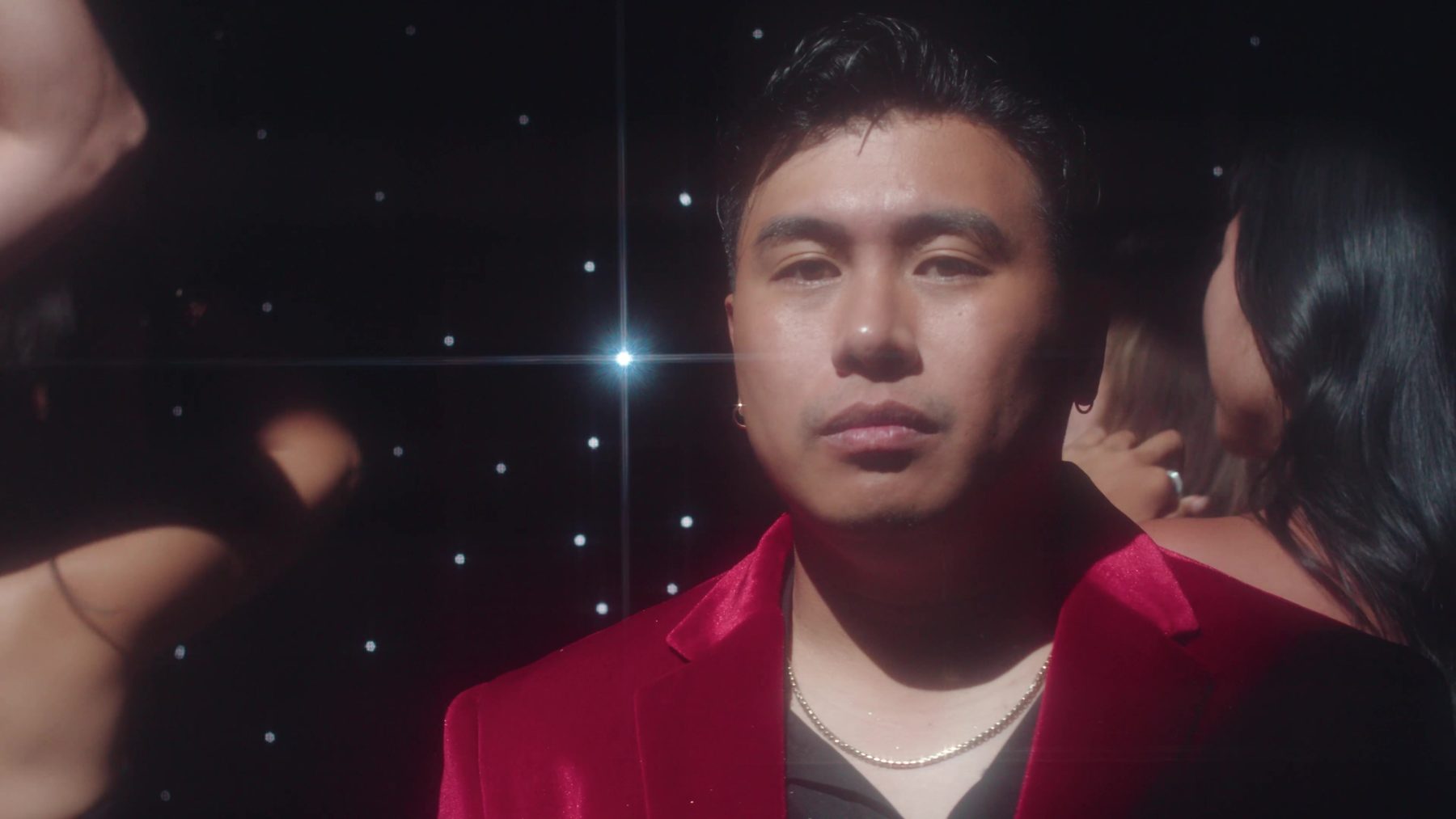
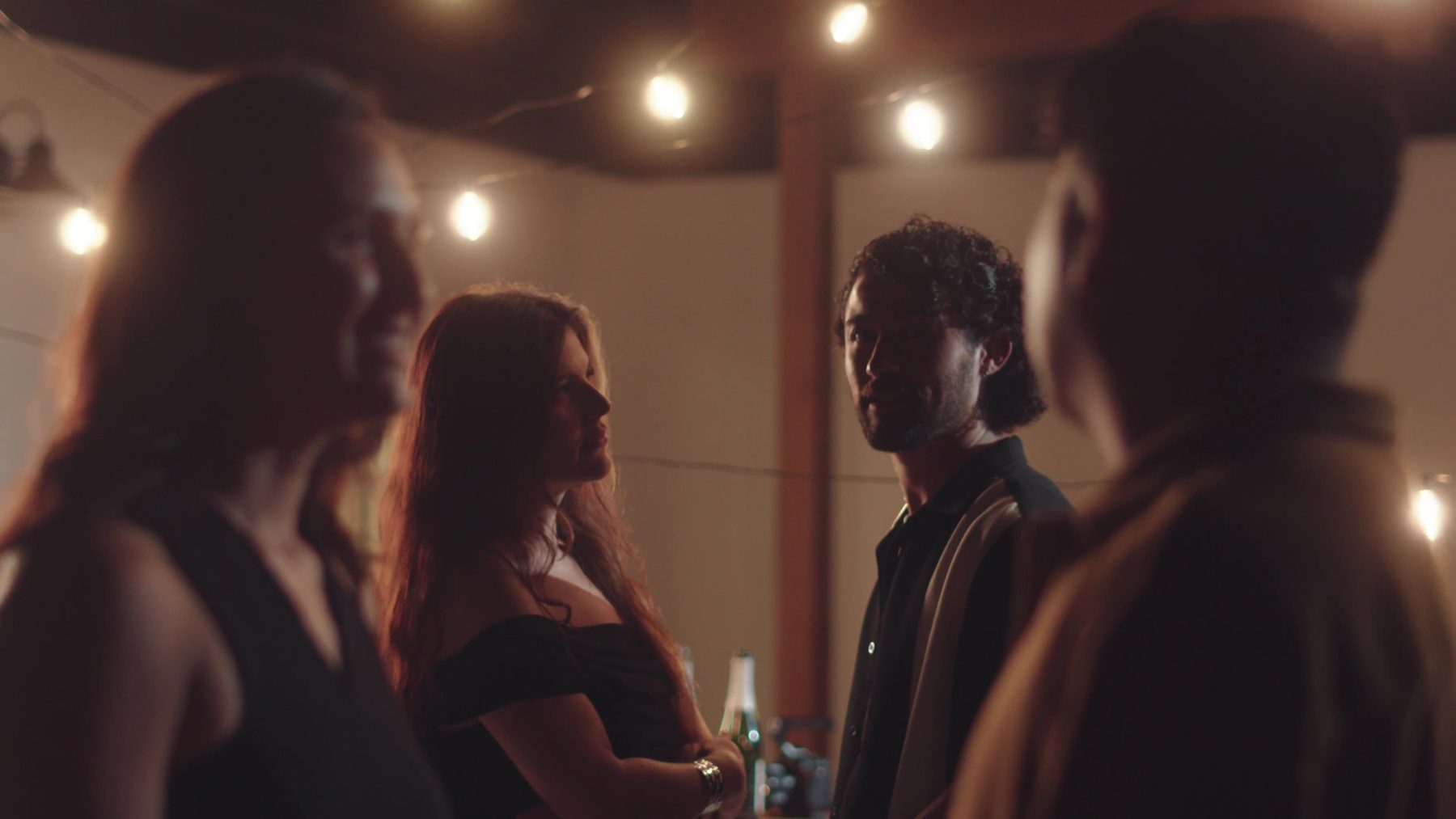
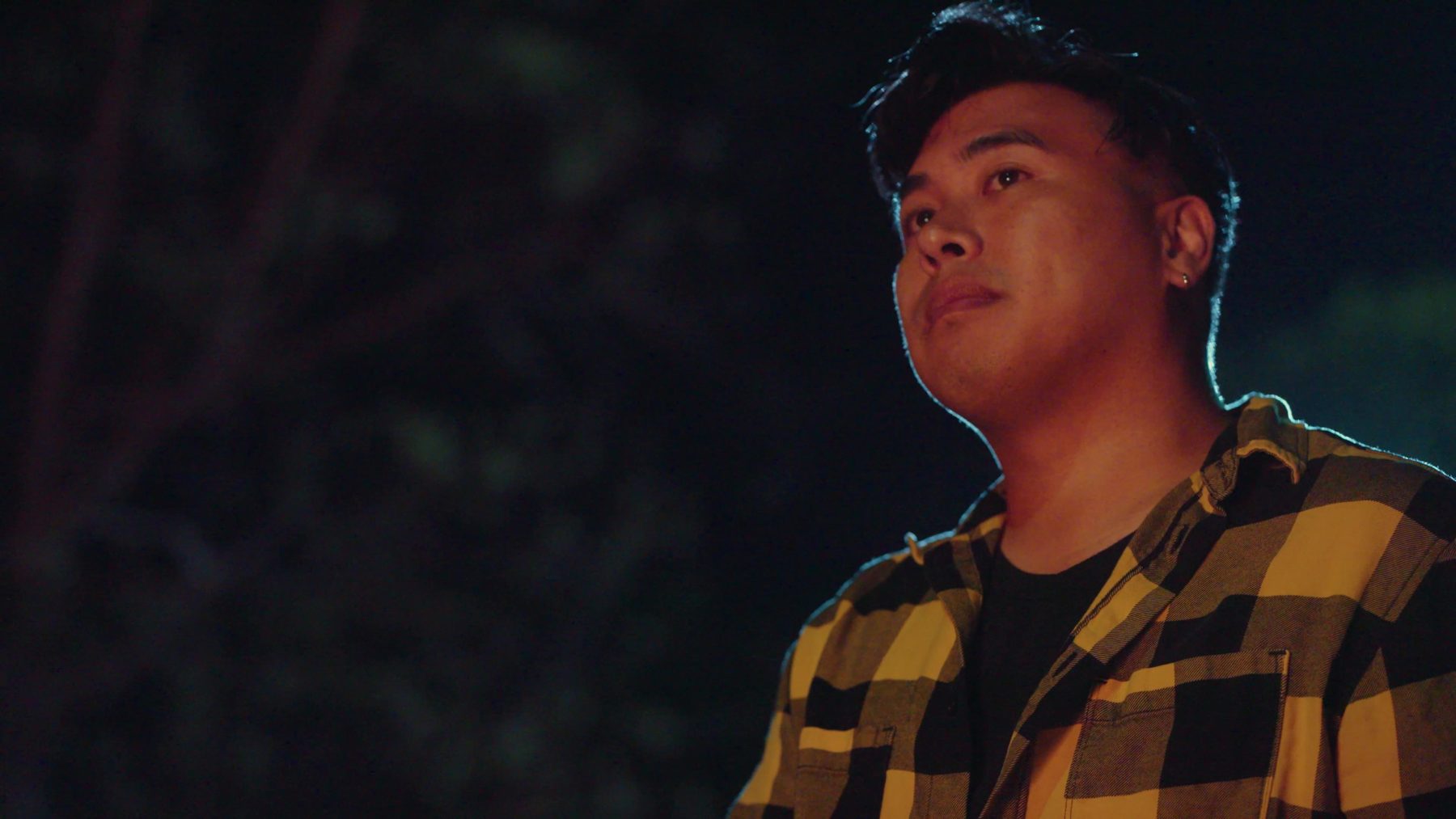
We gave each part of the relationship its own light. Warm amber and gold for the early memories — fire pit, string lights, car rides. Deep red for the emotional peaks. Plain window light for the bedroom, because that’s where the truth is.
One Long Night
Most of it was shot in a single day at a house in Oceanside, from a 2 p.m. crew call to wrap near midnight. The car scenes were shot two nights later, on a separate night unit.
The schedule only worked because of one trick: while the bedroom scenes were shooting inside, the crew was building three sets in the backyard at the same time — the fire pit, the party, and a star-field stage for the performance. By the time the bedroom wrapped, everything outside was ready, and ten extras were dressed and waiting.
A couple of rules made the edit easier later. No red or yellow on the extras, so they’d melt into the background. And no drinking or smoking on camera, so the video could live on YouTube without trouble.
And one thing nobody planned for: in the middle of the star-field performance scene, the sprinklers came on. We had to cut that portion of the take and keep moving. In the end, the result was worth it.
Props, Sets and the Crew
A seven-minute music video with a party, a fire pit, a star-field stage and two nights of shooting doesn’t get made by one person behind a camera. This one worked because of a small crew that knew exactly what their jobs were — and took care of each other while doing them.
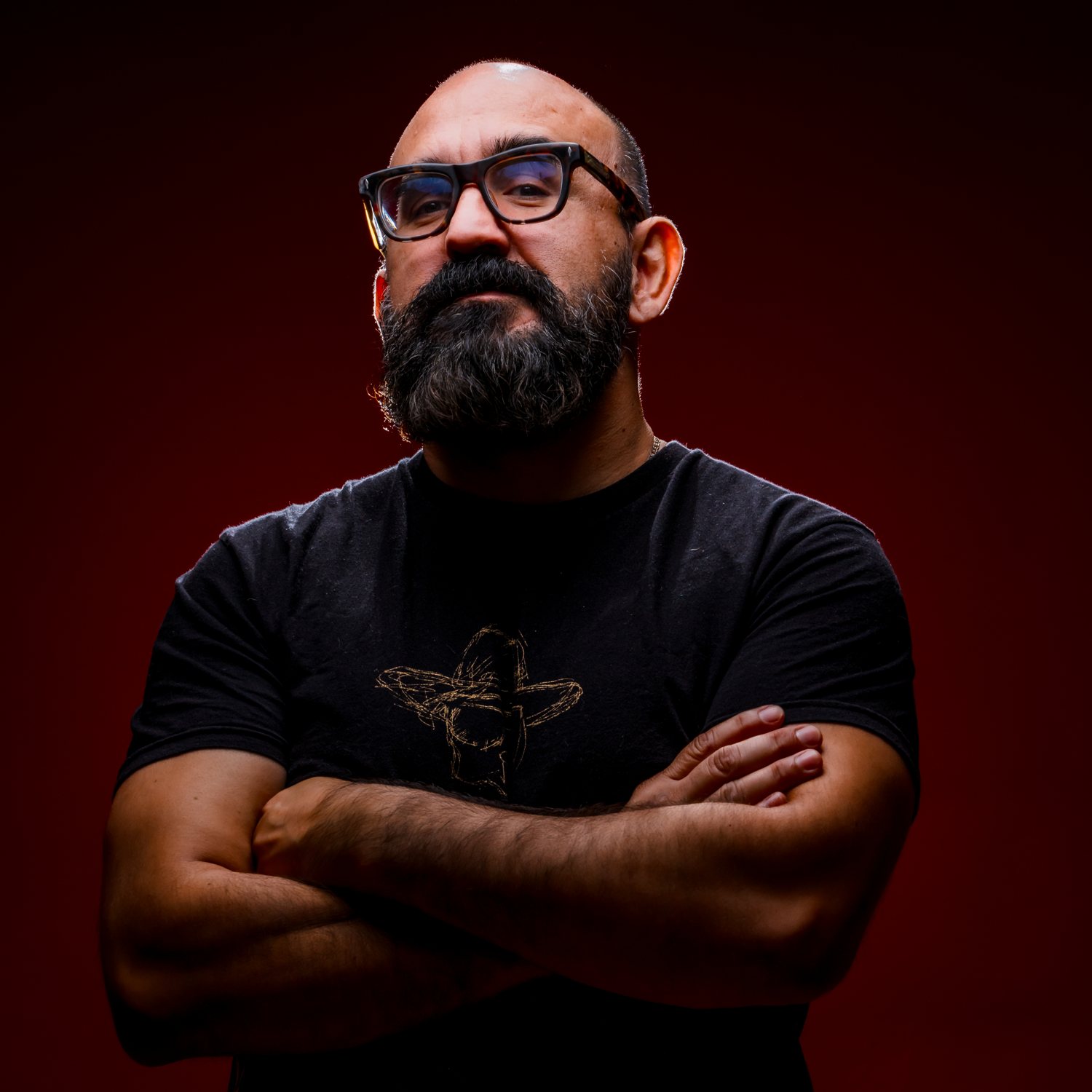
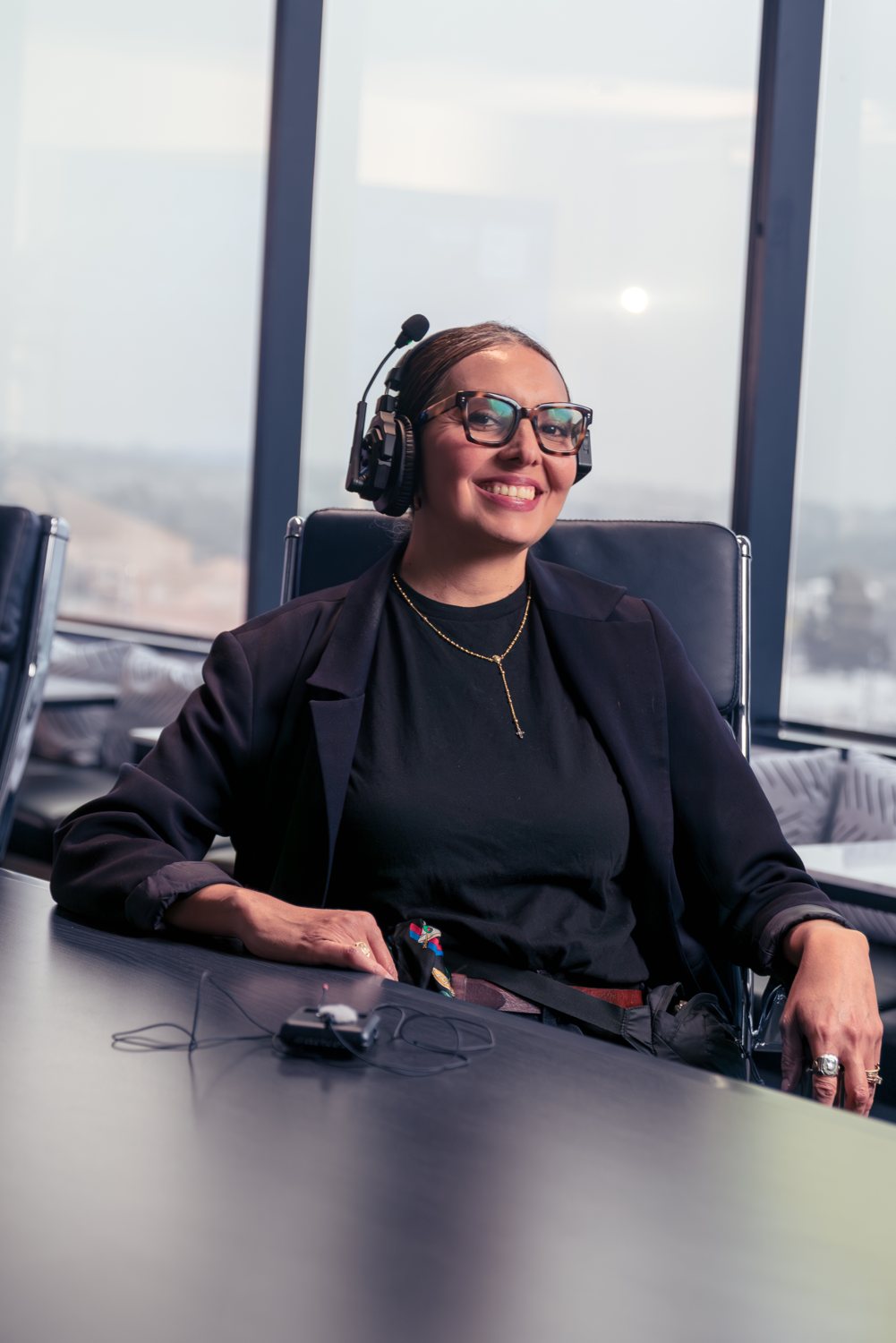
Oz and Eve — production and pre-production
Eve Gonzalez and I tag-team production and pre-production. While I’m working the story, the shots and the actors, Eve is making sure everything around that work is handled — and handled early. Schedules, talent calls, ten extras, wardrobe notes, locations, and a day that ran from a 2 p.m. crew call to wrap near midnight.
Some of it isn’t glamorous, and all of it matters. The catering was good, because a crew that eats well works well. Everyone was paid on time, because that’s how you keep good people coming back. Logistics were sorted before anyone asked, and when something came up on the day, it got handled right away.
The part we care about most is the set itself. When we shoot in someone’s home, we protect it — floors, furniture, walls, the backyard — and we leave it the way we found it. Being invited into a place to make something is a trust, and we treat it that way. It’s a big reason people let us come back.
Emily Holmes — the look of every frame
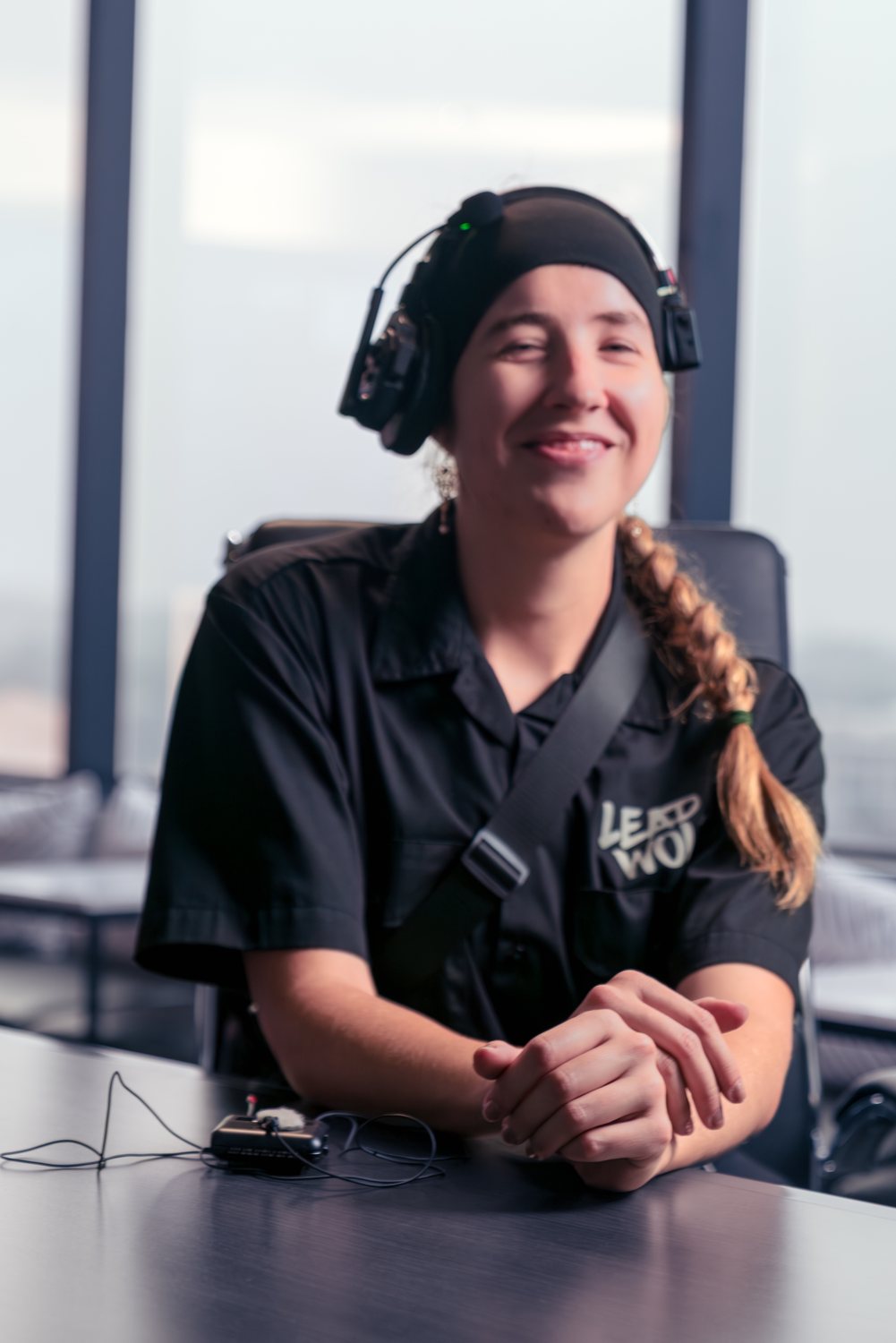
Emily Holmes led production design and props, and a lot of what you feel in this video is her work. Production design is the part of filmmaking people rarely notice, and that’s exactly how it should be. You don’t think “nice set dressing.” You just believe the room. Getting there takes an obsessive eye for detail, and Emily has one.
Start with the bedroom. It opens and closes the video, so it had to do two jobs at once: feel like a real, lived-in room, and feel a little too empty. Emily dressed it so it reads as someone’s actual space — the sheets, the bedside details, the light through the window — while leaving just enough missing that you feel the absence. It’s a small thing, and it carries the whole emotional frame of the story.
The fire pit is where the story starts, so it needed to feel warm, honest and a little magical. Emily built it out piece by piece: where the chairs sit, what’s on the ground, how the flames read on camera, what’s in the background when the lens goes soft. Most people would never notice those choices. But if one of them is wrong, you feel it — the scene stops feeling like a memory and starts feeling like a set.
The party was the same kind of work at a bigger scale. String lights, surfaces, small props that only show up for a second in the edit, and all of it arranged so ten extras could move naturally and fall away into the background. Emily was also on the details between takes — resetting props, straightening what the last take knocked over, catching the little continuity problems that ruin a cut later. That’s behind-the-scenes work nobody sees, and it’s why the final frames hold together.
Then there’s the star-field. The performance scenes happen on a stage that isn’t pretending to be anywhere real — just Stephen in a red jacket, surrounded by a field of tiny lights that burst and flare behind him. Emily and I built that together. We talked through what it should feel like — somewhere between a memory and a dream — then worked out the look on set, adjusting the lights and the depth until the background glowed and sparkled behind him without pulling focus from his face. It’s one of the most striking images in the video, and it came from two people standing in a backyard at night, moving lights an inch at a time.
That’s Emily’s work in a sentence: the details people overlook are the ones she pays the most attention to. The video looks the way it does because she cared about things most viewers will never consciously see.
Eli, Michael, Brian, Franco and Jack — camera and grip
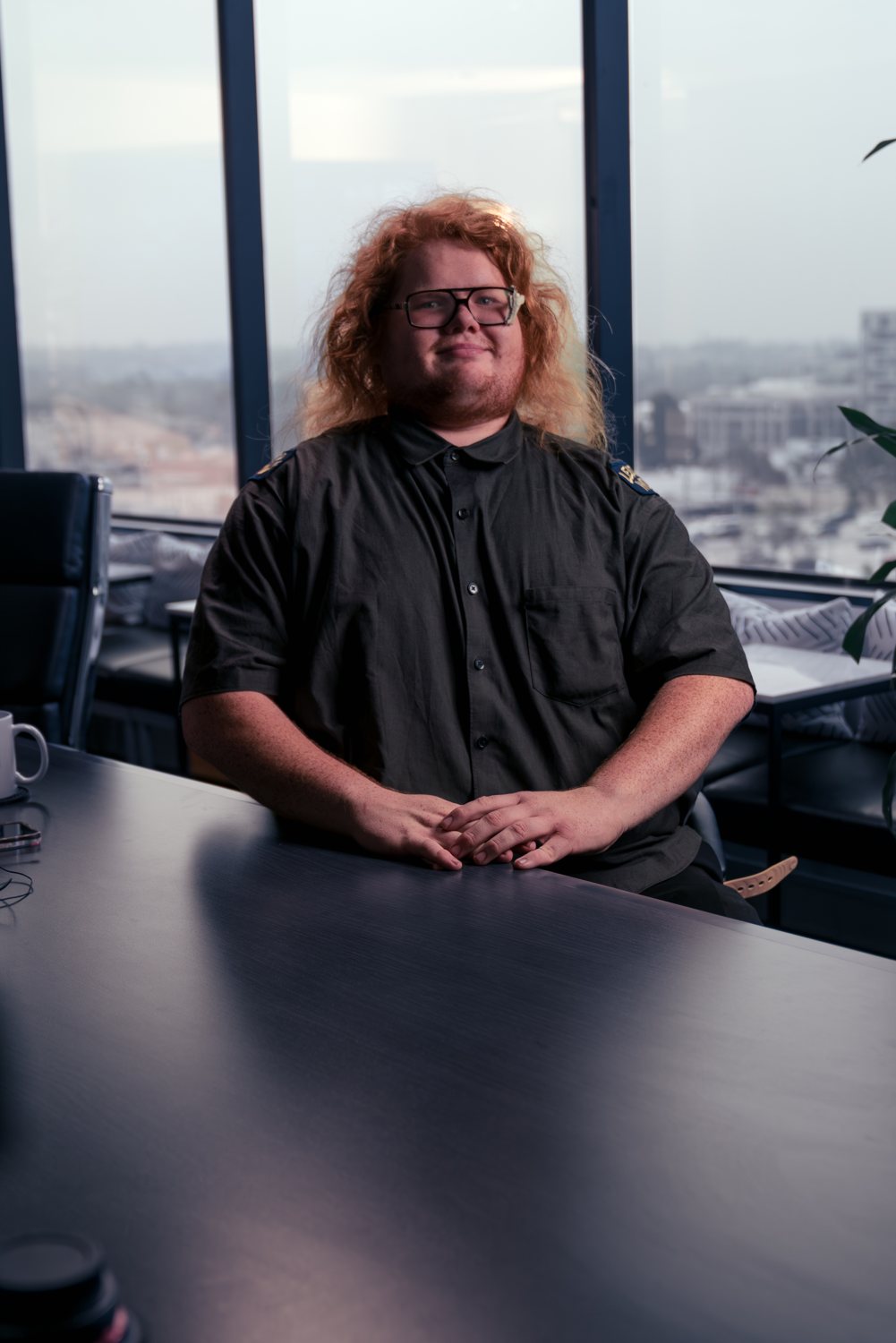
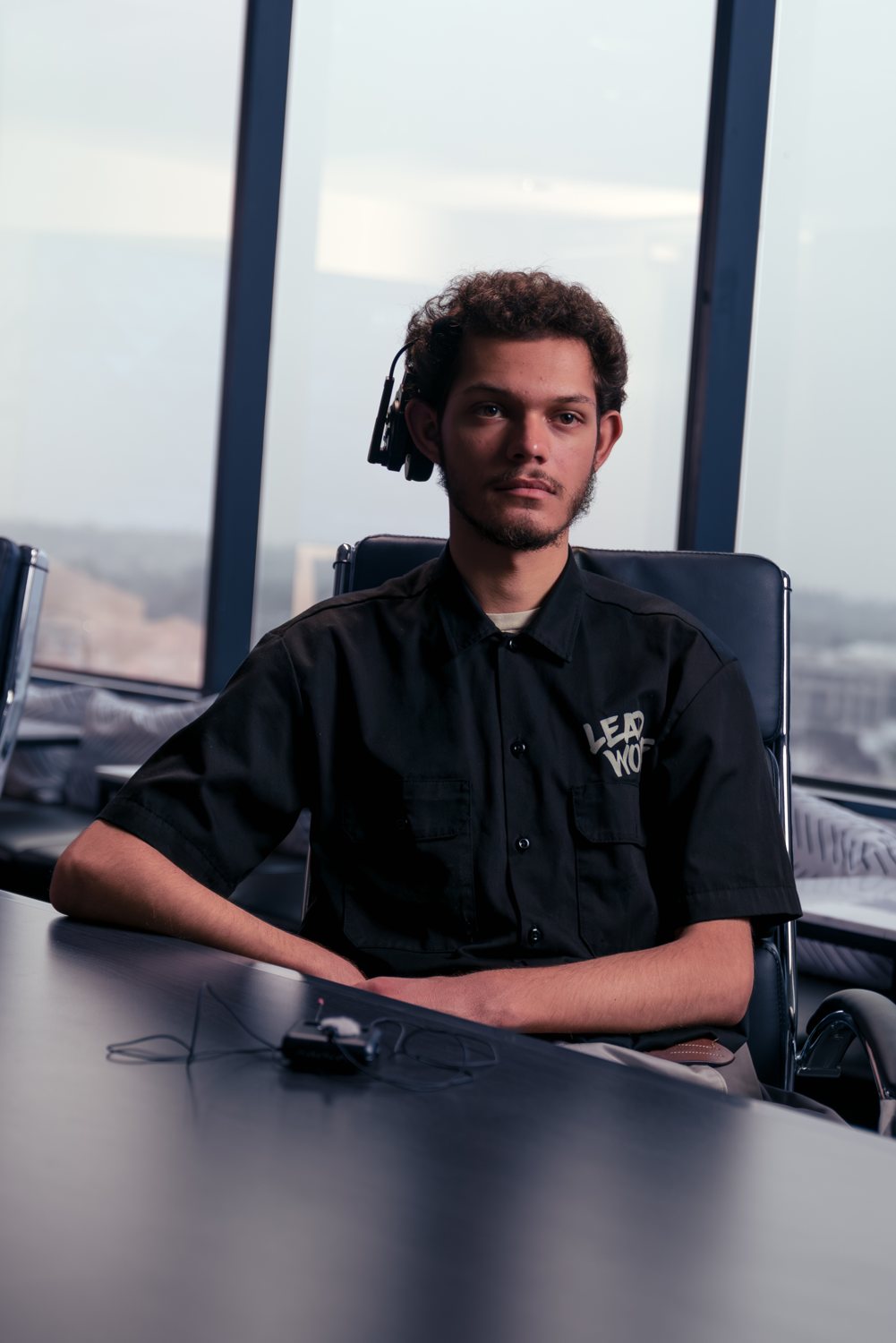
Eli Koehler and Michael Soares handled camera and grip: lighting each setup, rigging, and moving gear between three backyard sets while the bedroom was still shooting inside. Brian Miske worked camera alongside them, which gave us extra coverage in the moments that only happen once — a look, a laugh, a take we’d never get back.
Franco Dean Mora worked as camera grip, keeping the camera moving and supported through setups that changed fast. Jack Holmes worked as a grip, carrying gear, rigging and doing the dozen small jobs that keep a set on schedule. And a real thank-you to the Holmes family for letting us use their car for the driving scenes.
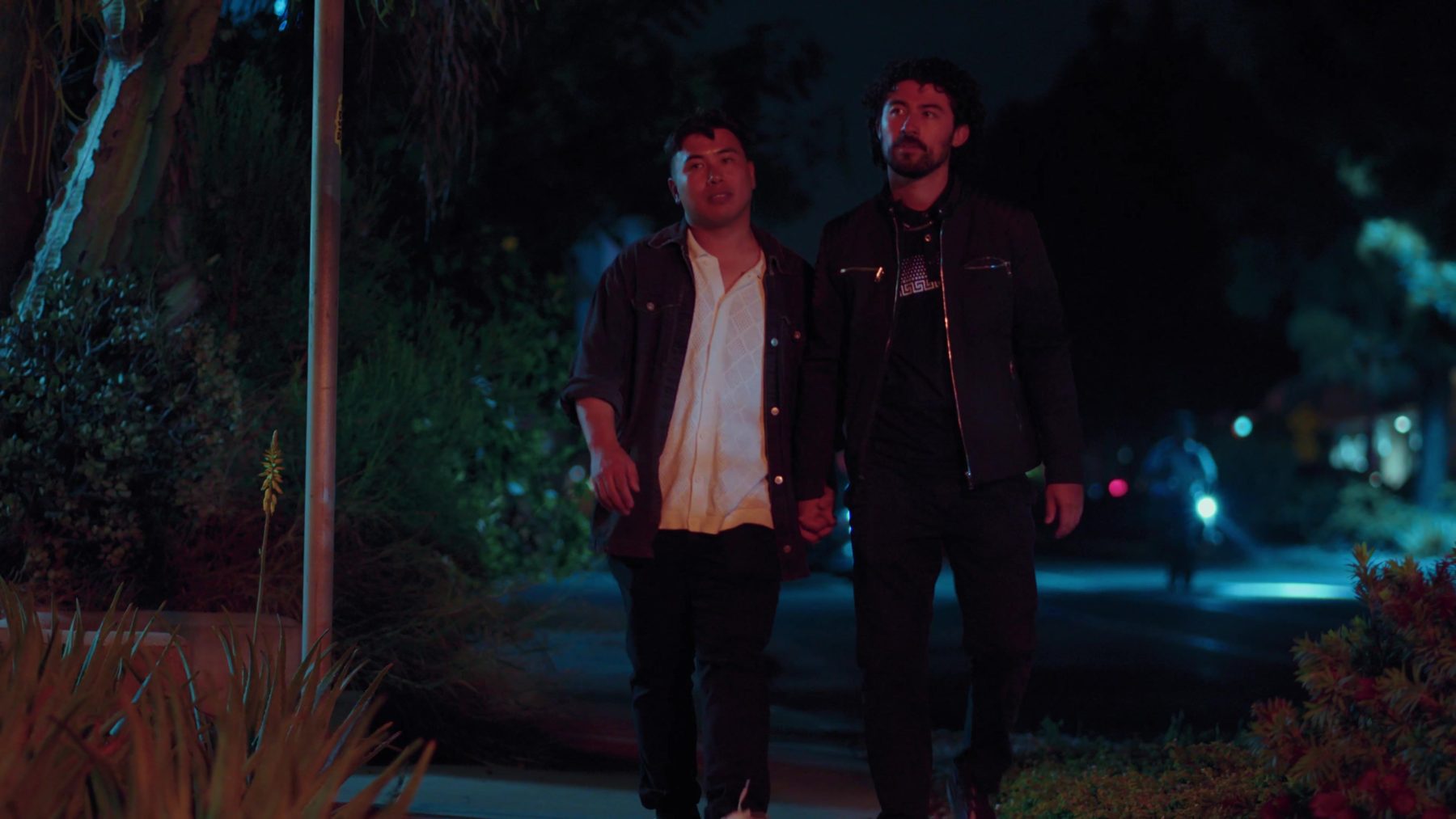
The car scenes were shot on a separate night, in a parking lot after dark. That night was all about the crew: Eli on the boom and the rigs, the RED on sticks, and everyone watching the monitor as the two actors played the good months inside the car.
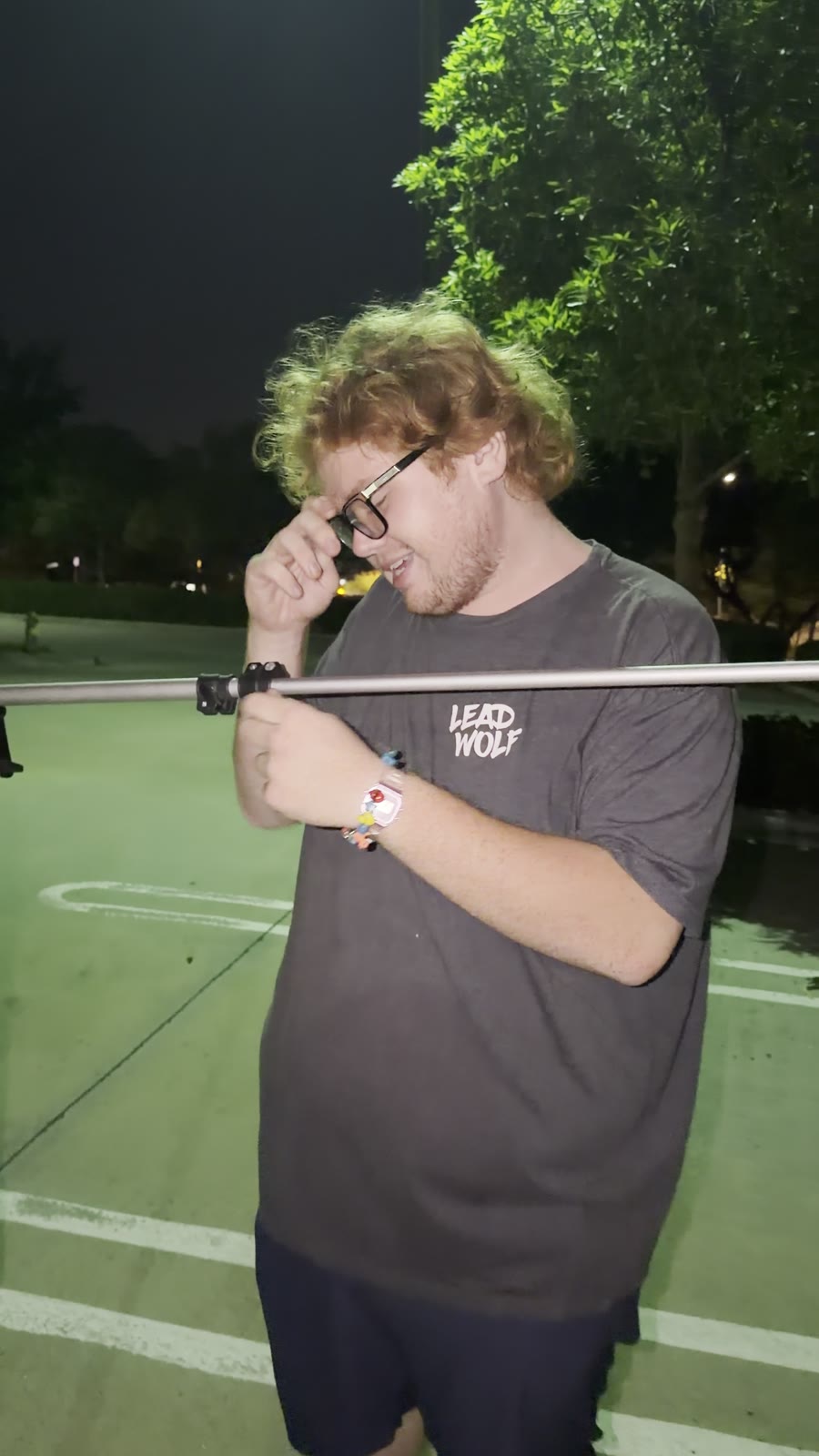
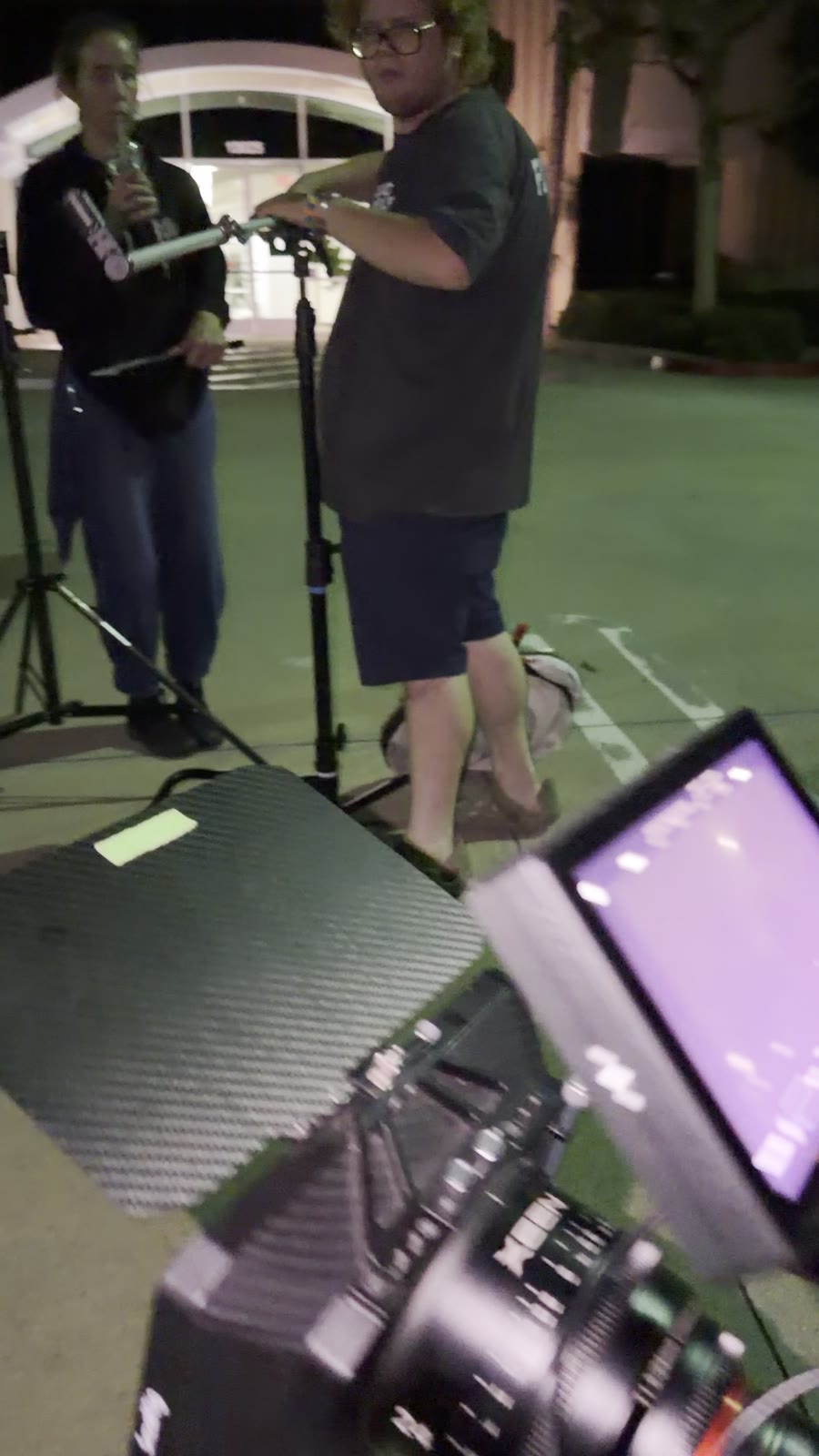
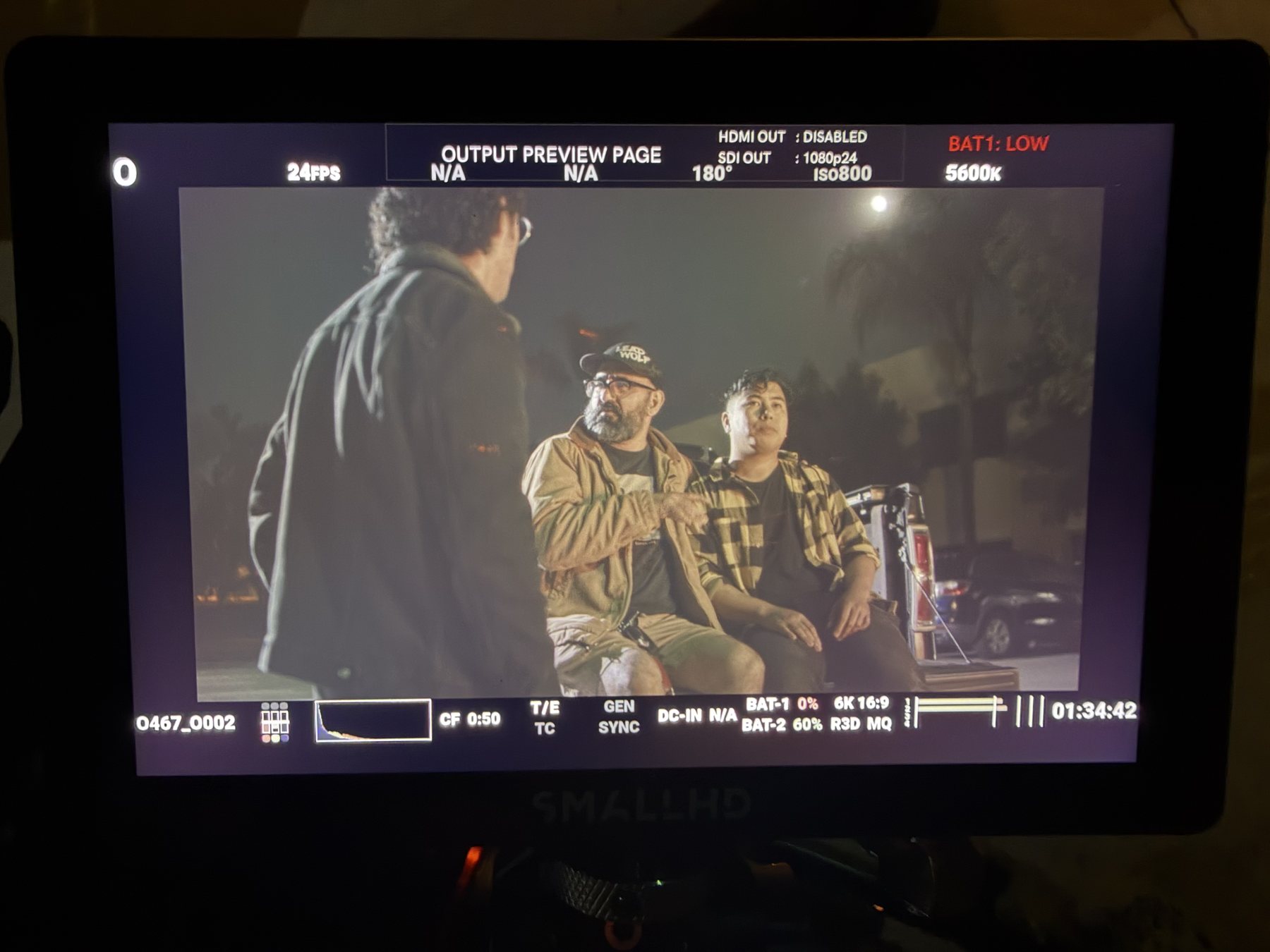
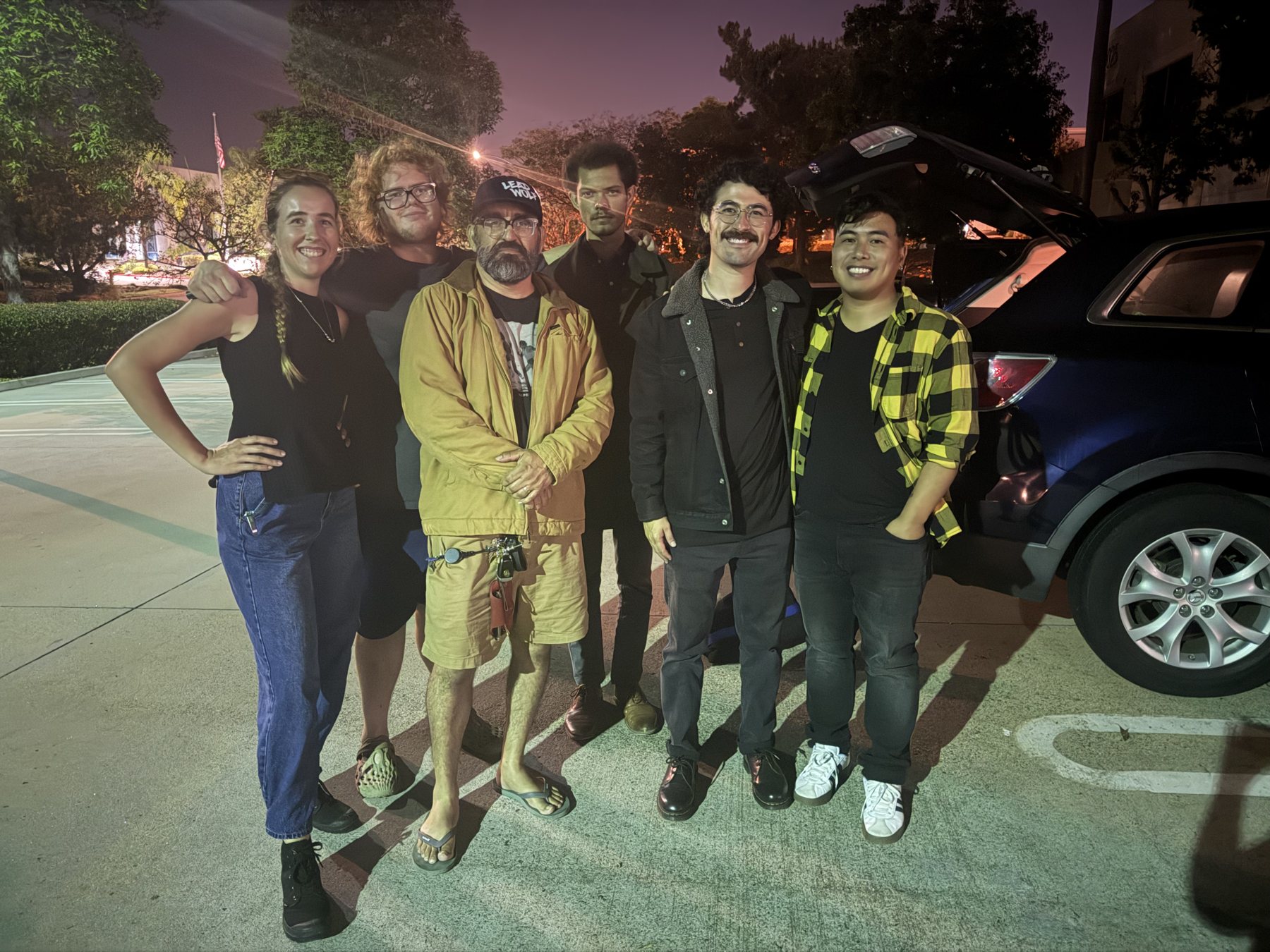
A small crew, but the right one — people who can move fast at midnight without cutting corners.
A Teaser That Holds Back
The finished video runs about seven minutes. The teaser runs fifteen seconds — and it’s stingy on purpose. No kiss, no ending, no dialogue. It stops before it explains anything. A trailer’s job is to make you want the full thing, not replace it.
Along with the video and the teaser, Stephen got 19 stills cropped three ways (press, Instagram feed and square) and a dated launch calendar that says exactly what to post, where and when.
What Carries Over
Whether it’s a love song or a product launch, the work is the same. Know what the piece has to make people feel. Put it on paper. Agree on the picture. Then use the shoot day to capture it — not to figure it out.
Credits
Starring Stephen Encarnamo and Diego Guardado
Directed by and director of photography — Oz Riveros
Producer, production and logistics — Eve Gonzalez
Production design, set design and props — Emily Holmes
Camera and grip — Elijah Koehler, Michael Soares
Camera — Brian Miske
Camera grip — Franco Dean Mora
Grip — Jack Holmes
Special thanks to the Holmes family
A Lead Wolf production
Oz — Lead Wolf